

Morocco for MICE
Where Purpose Meets Experience
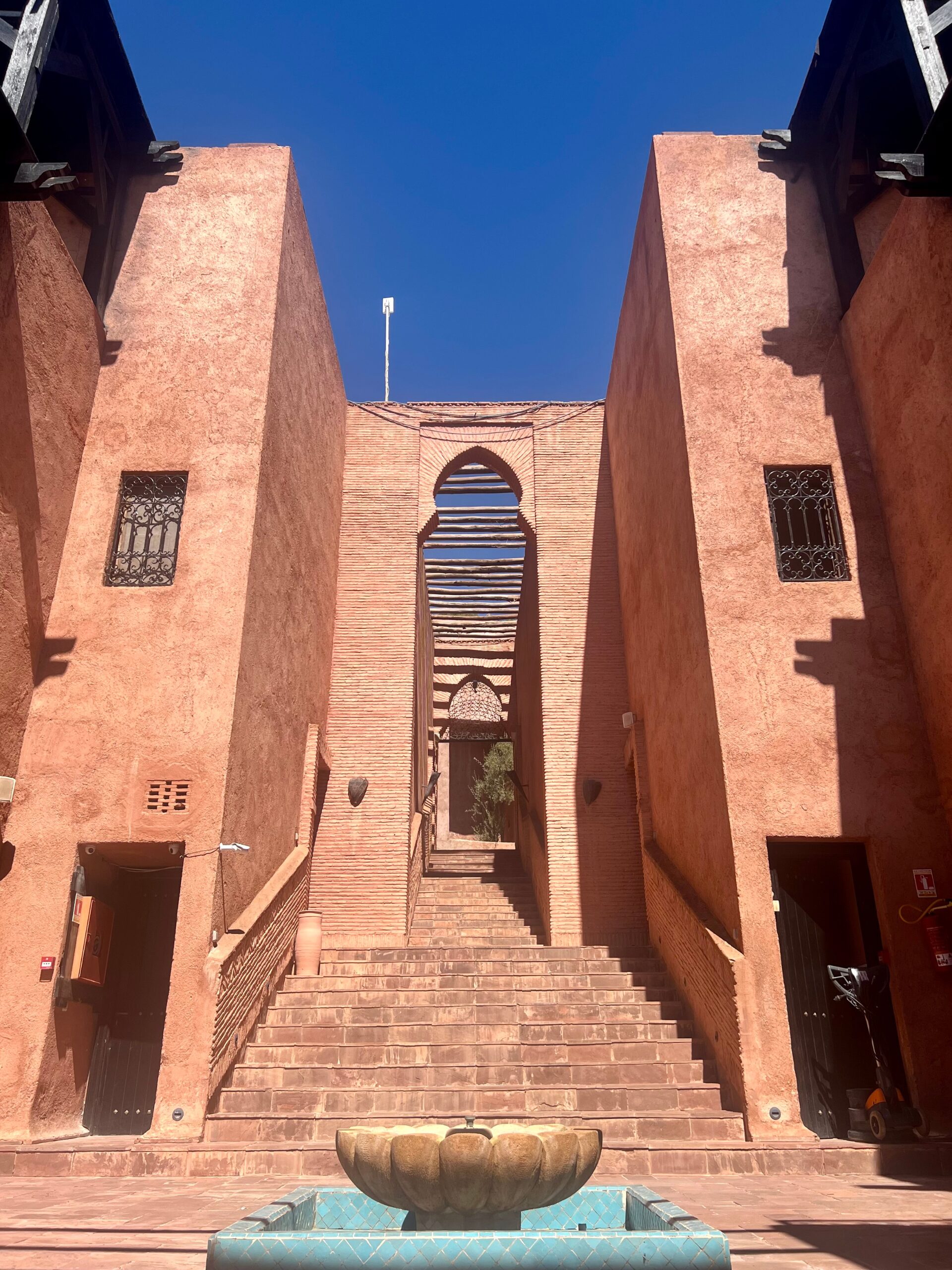
Most planners know Morocco for its souks and dunes. We know it for what lies beneath the surface, like Rabat’s 230 hectares of parks and gardens, the women’s cooperatives doing genuinely transformative work, and the hotels partnering with communities rather than just photographing them.
For events and incentives, Morocco offers something rare: a destination that appeals to all the senses while embracing a sustainable future. Its fragrances tell a story of culture and connection. Cinnamon rising from a tagine dinner, rose water perfuming a hammam experience, mint tea served as a gesture of welcome, and the deep, amber warmth that defines Moroccan hospitality.
When you weave these sensory layers into an event through scent, cuisine or design, you create an atmosphere that feels authentic and emotionally resonant. Morocco invites guests to slow down, immerse and remember. It’s a destination that doesn’t just host events; it imprints them.



Why Morocco, why now
Just a short flight from the UK, Morocco feels worlds away. Immersive, sensory and unforgettable. History and tradition sit comfortably alongside rapid modernisation and a growing commitment to sustainable, responsible tourism.
The infrastructure is evolving impressively. High-speed trains already link Tangier, Rabat, Casablanca and Marrakesh, with planned extensions to Agadir and Fès. These aren’t just efficient, they offer comfortable, low-impact travel options for multi-stop incentive programmes. And as Morocco prepares to co-host the 2030 FIFA World Cup, with Fès amongst the cities hosting the African Cup of Nation Matches, it’s not simply building stadiums. Each one is being designed to reflect the culture, craftsmanship and heritage of its host city, creating architectural landmarks that will become destinations in themselves.
This makes it easier than ever to create journeys that showcase Morocco’s diversity: sleep under desert stars, hike the Atlas Mountains, explore twisty medina alleyways, or enjoy the Mediterranean charm of Rabat and Tangier, alongside coastal towns like Agadir and Essaouira.


Tourism with purpose: Morocco’s commitment
The Moroccan Tourism Strategy 2023–26 prioritises sustainable growth, spreading visitors beyond traditional hubs and supporting local communities. And it’s working: tourism from the UK rose 42% in the year to March 2025, supported by a 40% increase in direct flights. This accessibility, coupled with a growing appetite for adventurous destinations, is driving renewed interest from the MICE market.
But here’s what matters for conscious event planners: Morocco is striving to achieve a healthy balance between traditional charm and sustainable innovation. During our research trips across the country, we’ve discovered examples of genuine commitment; solar panels powering desert camps, grey-water systems integrated into riads, farm-to-table menus sourced within 50 kilometres, and handcrafted décor and furniture from local artisans incorporated into design. The country’s tourism strategy actively measures impact and venues are responding with real infrastructure, not just good intentions.
While Marrakesh and Casablanca remain well-known, destinations like Agadir, Tangier and Rabat are gaining traction among planners who want to surprise their guests with authentic, lesser-known experiences.


Venues and hotels: where luxury meets responsibility
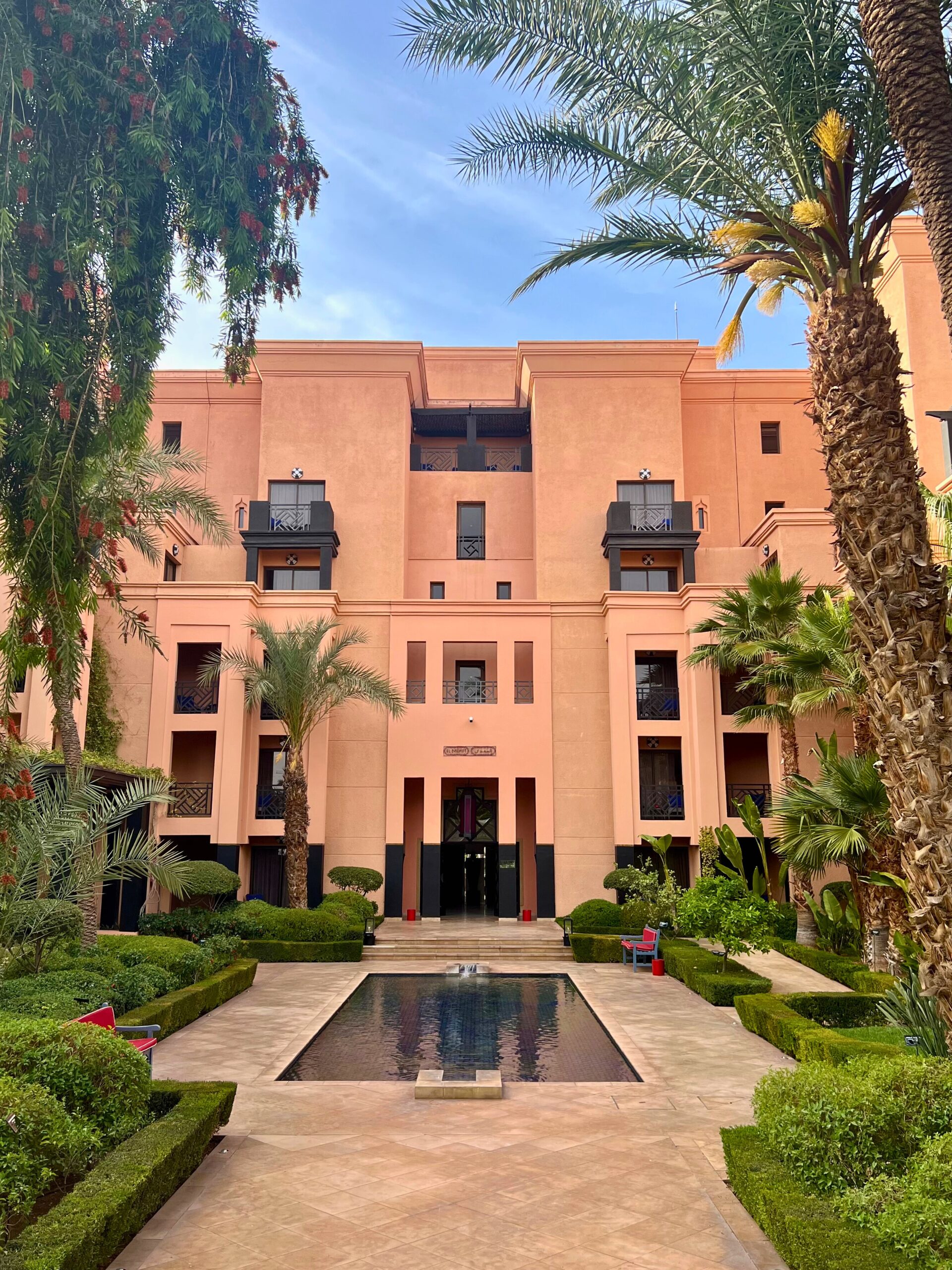
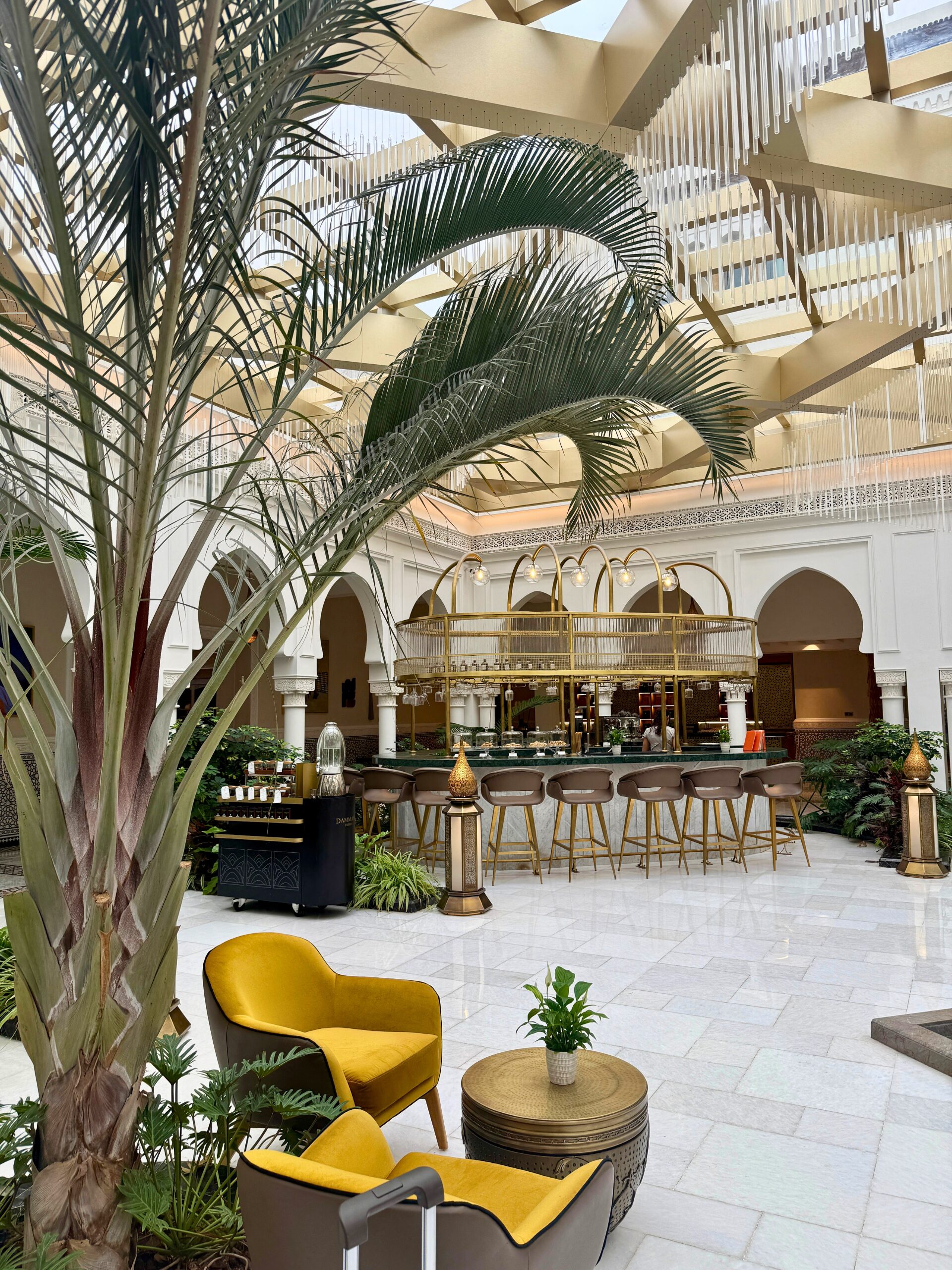
During our research across Morocco, we’ve visited properties that genuinely integrate luxury, authenticity and environmental responsibility, not as separate considerations, but as interwoven values.
Royal Mansour operates in Marrakesh, Casablanca and Tetouan, with a new Rabat property opening in 2029. These properties are renowned for extraordinary attention to local craftsmanship. Every archway, every zellige tile tells a story. But equally impressive are the programmes that support young people with access to education in the hospitality sector, as well as working with rural growers and prioritising produce from local the agricultural community.
Fès, Morrocco’s cultural capital, will welcome the reopening of Palais Jamaï with 142 rooms in 2026 after a decade-long renovation. A sister property to Marrakech’s landmark La Mamounia, this iconic heritage hotel dates back to 1879 by built by a grand vizier to the sultan and retains its opulent architectural form, plus an atmosphere thick with history.
For smaller groups seeking something more intimate, Farasha Farmhouse near Marrakesh and Villa Mabrouka in Tangier (designed by Jasper Conran) offer boutique retreats that prioritise design, tranquillity and eco-conscious practices. These are spaces where 12-20 people can gather without the formality of a larger hotel.
The lakeside hotel at Bin El Ouidane in the Atlas Mountains combines flexible event spaces with wellbeing activities (think kayaking, hiking, spa treatments) all set within scenery that does the storytelling for you. Our stay here highlighted the potential to combine an event in Marrakesh with a stay at a retreat venue where teams can genuinely disconnect and reset.
International brands like Mandarin Oriental, Four Seasons, Fairmont and the Hilton-owned Conrad Rabat Arzana with its spectacular ocean views, bring world-class facilities while respecting Moroccan character and increasingly, environmental standards. We’ve assessed their meeting spaces and ability to accommodate everything from intimate board meetings to conferences of several hundred.
Across Morocco, you can now select venues that integrate sustainability into the guest experience authentically, from locally sourced food and renewable energy to community partnerships that create genuine impact rather than performative gestures.



Experiences that transform
Morocco offers depth beyond the typical incentive trip. During our research, we’ve tested routes, timed journeys and explored activities with fresh eyes, always asking: would this feel authentic to our clients’ teams?
Immersive cultural experiences: Explore Marrakesh, Rabat and Essaouira on foot, visiting artisan workshops where craftspeople still use centuries-old techniques and skills pass between generations. In Fès, home to the world’s largest, most intact medieval medina, look out for the beautiful 14th- and 15th-century fonduks (trading houses) restored as gorgeous artisan workshops focused on high-quality local crafts.
Sustainable accommodation: Sleep in eco-friendly desert camps where solar power and composting systems operate seamlessly, or boutique mountain lodges built using local materials and employing local communities. It’s important to note that not all camps are sustainably run. We’ll ask the right questions about water management, waste systems and community employment to ensure sustainability credentials are genuine, not just marketing.
Adventure and wellbeing: Trek the Atlas Mountains, try team building in the desert, or kayak in the tranquil waters of Bin El Ouidane. Small groups can experience off-the-grid escapes at community-run lodges like Kasbah du Toubkal, located at the highest point of North Africa but just 60km from Marrakesh. These aren’t extreme adventures, they’re accessible activities that combine movement, nature and meaningful conversation.
Community connection: Engage through workshops, culinary experiences or structured volunteering. The key is choosing partnerships that genuinely benefit local communities rather than creating dependency or disruption.
CSR That Creates Real Impact Morocco offers extraordinary opportunities for corporate social responsibility but the difference between meaningful impact and well-intentioned tourism is in the details.
During our research, we’ve discovered programmes that genuinely work. Some hotels partner with organisations like Education For All, a charity funding boarding houses for Berber girls from remote mountain villages where terrain creates barriers to education.
Places like Ocean Vagabond in Essaouira represent what genuine commitment looks like: a plastic-free lodge on the lagoon beach where small groups can spend afternoons kitesurfing, paddleboarding or taking yoga classes, powered by 100% solar energy with dry toilets, greywater filtration by plants, and local organic farming.
At La Sultana Oualidia, bird watching tours through the wetlands raise awareness about protecting fragile coastal ecosystems while guests experience the unexpected biodiversity of Morocco’s Atlantic coast. In the Atlas Mountains, tree planting programmes with village schools create tangible environmental benefit while connecting teams with local communities authentically.
The women-led argan oil cooperatives in Essaouira and Agadir aren’t just workshops, they’re economic empowerment in action. These cooperatives demonstrate traditional extraction methods passed between generations while providing financial independence for women in rural communities. It’s the kind of partnership where corporate participation genuinely matters.
What else is possible?
Support for traditional artisan workshops preserving heritage crafts (including leatherwork, metalwork, weaving) where programme fees fund apprenticeships. Fair trade partnerships with local producers. Youth sports and empowerment programmes gaining momentum ahead of the 2030 World Cup. Support for animal welfare organisations working with working animals. Engagement with heritage conservation projects in medinas and kasbahs, preserving cultural legacy for future generations.
Explore Marrakesh’s medina with food tours that support locally owned stalls rather than creating overwhelming tourist-trap experiences. You can work with sustainable agriculture and farming initiatives or engage with coastal and natural area conservation projects.
But here’s what we’ve learned: not all sustainable claims or community experiences are equal. This is why we work closely with vetted local partners who share our commitment to responsible tourism and why we ask uncomfortable questions about where money actually goes and who genuinely benefits.
We can help you identify opportunities that align with your corporate values, avoid parachute-in philanthropy and create programmes where corporate involvement genuinely supports communities rather than disrupting them.
The key is starting early. Tell us your CSR objectives when we begin planning, so we can research current community needs and available partnerships specific to your travel dates and chosen regions. Some programmes require advance coordination. Others depend on seasonal capacity. We’ll be honest about what’s feasible and what would create genuine value.


How to design a Morocco incentive programme
Based on our research trips across Casablanca, Rabat, Marrakesh, Essaouira and Bin El Ouidane, here’s what works:
Think journeys, not static events. Picture your incentive group or leadership team arriving in Rabat, where meetings take place in a venue overlooking the medina; sessions accompanied by ocean breezes and the call to prayer. Day three, board the high-speed train to Marrakesh. By evening, you’re dining under desert stars, the Atlas peaks glowing amber as conversation shifts from strategic planning to genuine connection.
Accessibility is excellent. Direct flights connect the UK to all major hubs: Casablanca, Marrakesh, Rabat, Agadir and Tangier. Morocco’s high-speed train network makes multi-city itineraries efficient and dramatically reduces carbon emissions compared to domestic flights or coaches.
Choose your character. Each destination offers distinct energy:
- Rabat: Coastal elegance, 230 hectares of parks, historic medinas and a surprisingly calm atmosphere. Ideal for incentive trips blending culture with CSR activities. The ancient archaeological site of Chellah offers surprisingly lush gardens to explore, combined with layered history spanning Roman times through Islamic eras.
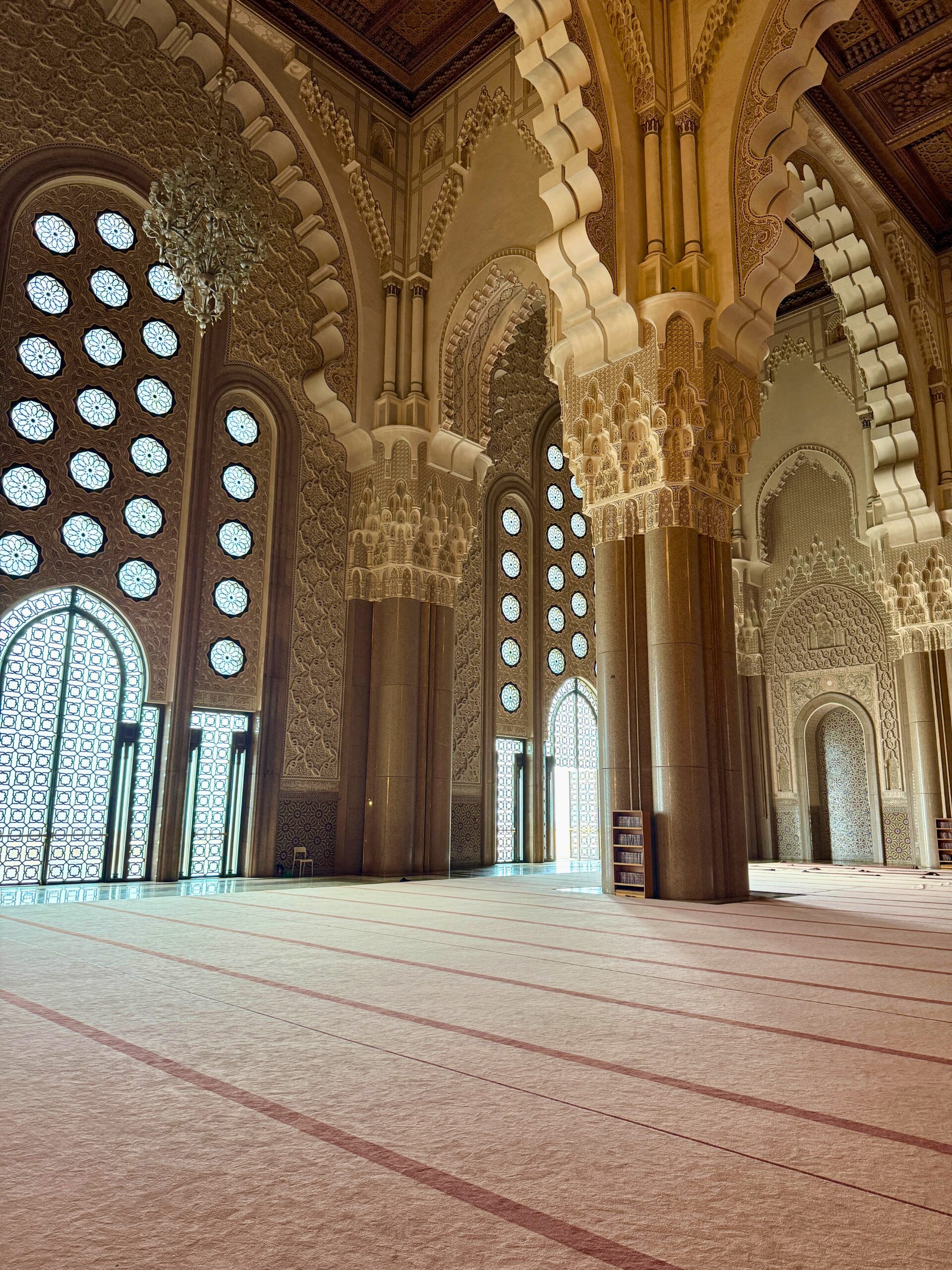
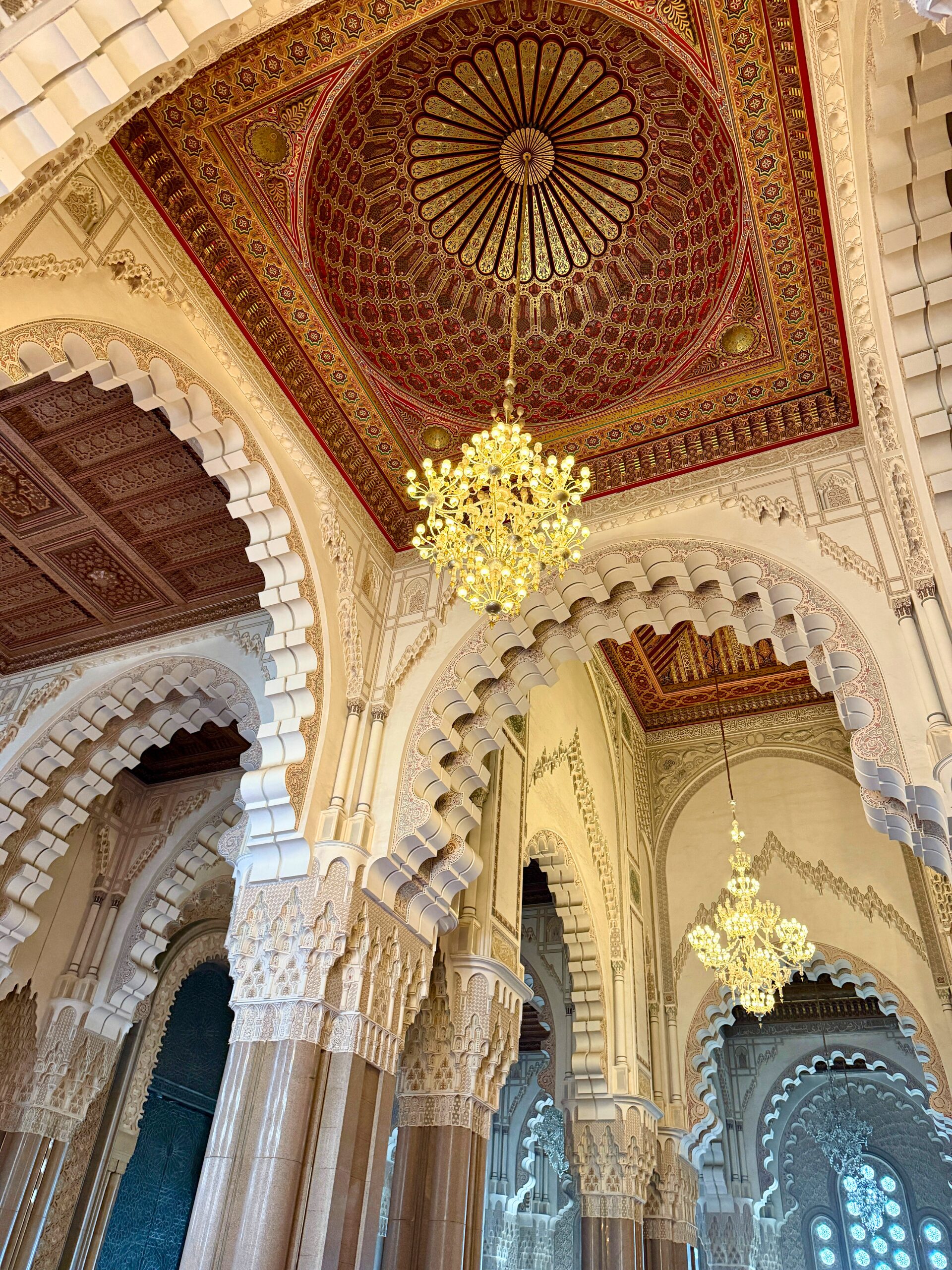
- Casablanca: Modern infrastructure and international hotels suited to large conferences requiring robust facilities, combined with tours of Hassan II Mosque, the second largest in Africa, built by approximately 10,000 artisans and craftsmen. The hand-carved wood and marble is extraordinary.
- Marrakesh: The sensory intensity of souks and palaces alongside boutique luxury. Perfect for small to large scale immersive, memorable experiences that guests won’t forget.
- Fès: Morocco’s cultural and spiritual heart. Recent investment has revitalided this ancient city, home to the world’s oldest university, museums displaying exquisite artifacts, vibrant music festivals and passionate football culture. The medina here is the most authentic and labyrinthine. A destination for groups seeking deep cultural immersion.
- Essaouira: Coastal, relaxed, artistic. Exceptional for small-group retreats where creative thinking is the objective and ocean air clears the mind.
- Bin El Ouidane & Atlas Mountains: Lakeside and mountain retreats offering genuine wellbeing and adventure, not spa-resort approximations. This is where teams actually disconnect.
Balance immersion with comfort. The most successful programmes we’ve researched combine traditional design hotels and smaller riads, desert camps and lakeside lodges, giving groups varied experiences without exhausting logistics. A typical five-day programme might flow: city hotel → riad → desert camp → return to city, allowing guests to experience diversity while managing luggage and expectations practically.
Integrate, don’t tack on. CSR and community involvement work best when woven throughout the programme, not saved for a token half-day. A cooking class with a women’s cooperative, a hike guided by Berber villagers, a visit to artisan workshops. These become the heart of the experience, not the add-ons.


Our expertise, your confidence
We’ve travelled extensively across Morocco specifically to understand its potential for MICE and incentive travel. We’ve stayed in the hotels, eaten in the restaurants, timed the journeys, tested the activities and met the people who make experiences authentic rather than performative.
This first-hand knowledge means we can help you:
- Find the right venues for your group size, objectives and budget
- Design itineraries that balance cultural immersion, adventure and corporate goals
- Connect with community partners for genuine CSR impact
- Navigate logistics including transport, seasonality and cultural considerations
- Create sensory, memorable programmes that participants talk about for years
We understand sustainable and regenerative event planning isn’t about offsetting. It’s about designing programmes that contribute positively from the beginning. Morocco offers this opportunity genuinely and we know how to access it
Ready to explore Morocco?
If you’re planning an incentive trip, leadership retreat, or corporate event that should be more than just another hotel conference room, let’s talk. We’ve done the research. We know the venues, the experiences and the partners who can help create programmes that matter to your team and to the communities you’ll connect with.
Morocco is closer than you think, and more transformative than you might imagine.
Get in touch to start planning your programme.