

Where Wild Landscapes Meet Meaningful Connections
Sometimes the places you’ve built up in your mind end up being exactly what you imagined. Or, in the case of the Faroe Islands, even better.
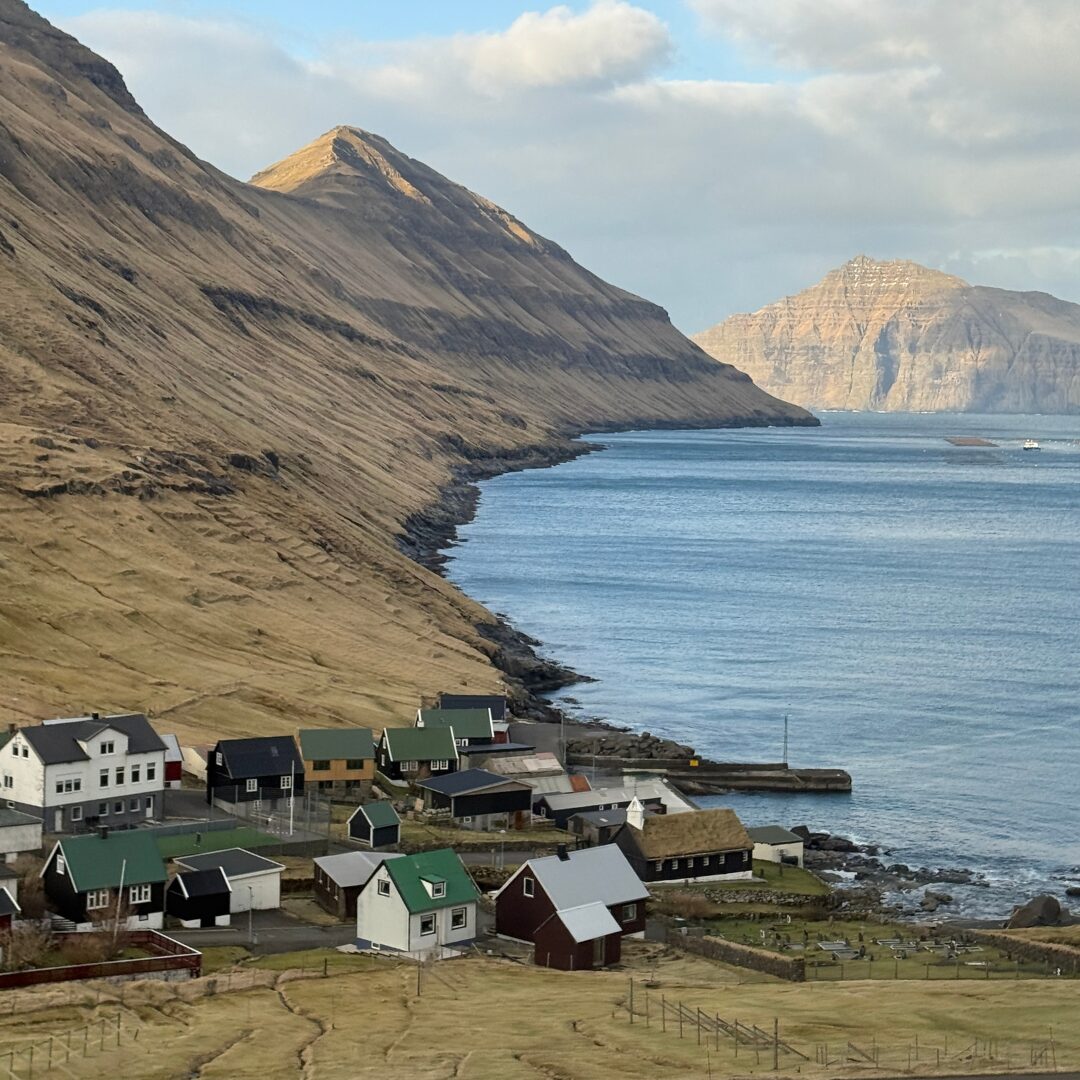
Remote, rugged and rooted in community, the Faroe Islands are emerging as one of the most compelling MICE destinations in Europe. An ancient chain of islands between Norway and Iceland, around 200 miles north of Scotland, they remain a remote destination in a world that increasingly feels smaller than ever.
It’s a place to experience wild and untouched nature, warm hospitality, Faroese cuisine, centuries-old ballads and the pure ocean. Surrounded by nature and tranquillity, it’s a destination that encourages clear thinking, creativity and collaboration.
A wave of innovative chefs, artists and bold tourism leaders are transforming this extraordinary country into a hub of quiet creativity, offering the chance to surrender to nature and take shelter in inspiring and unique venues across the islands — making a few days here one of the most exciting and meaningful incentive trips or events possible.
The People
The landscape commands your attention, but it’s the people that hold it. It’s a place that brings strangers together to feel part of something local and genuine. A place that gets under your skin and leaves you changed.
We spend a lot of time in events thinking about how to forge meaningful connections. In the Faroe Islands, those moments come about naturally, underpinned by a strong sense of community forged in this extreme landscape.
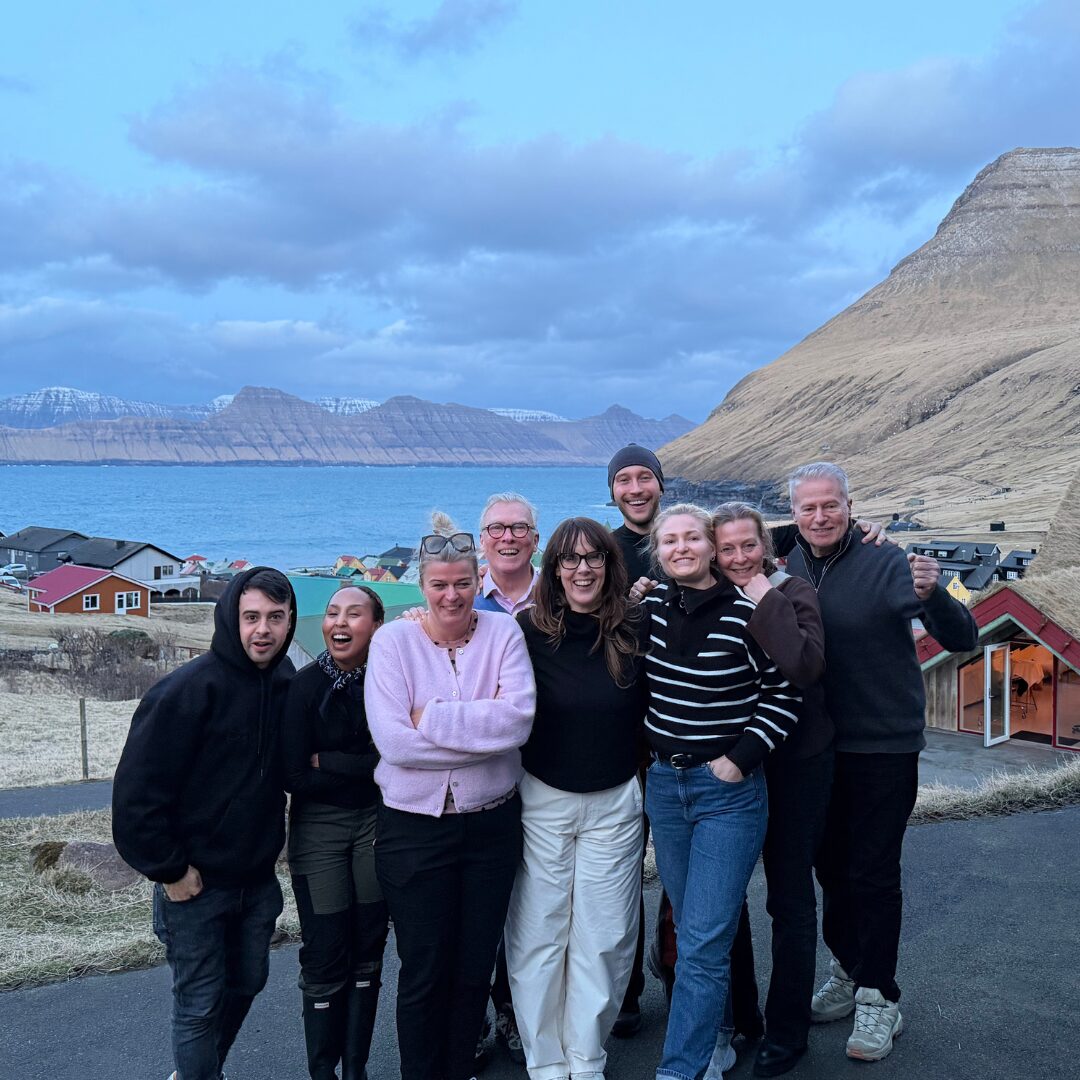
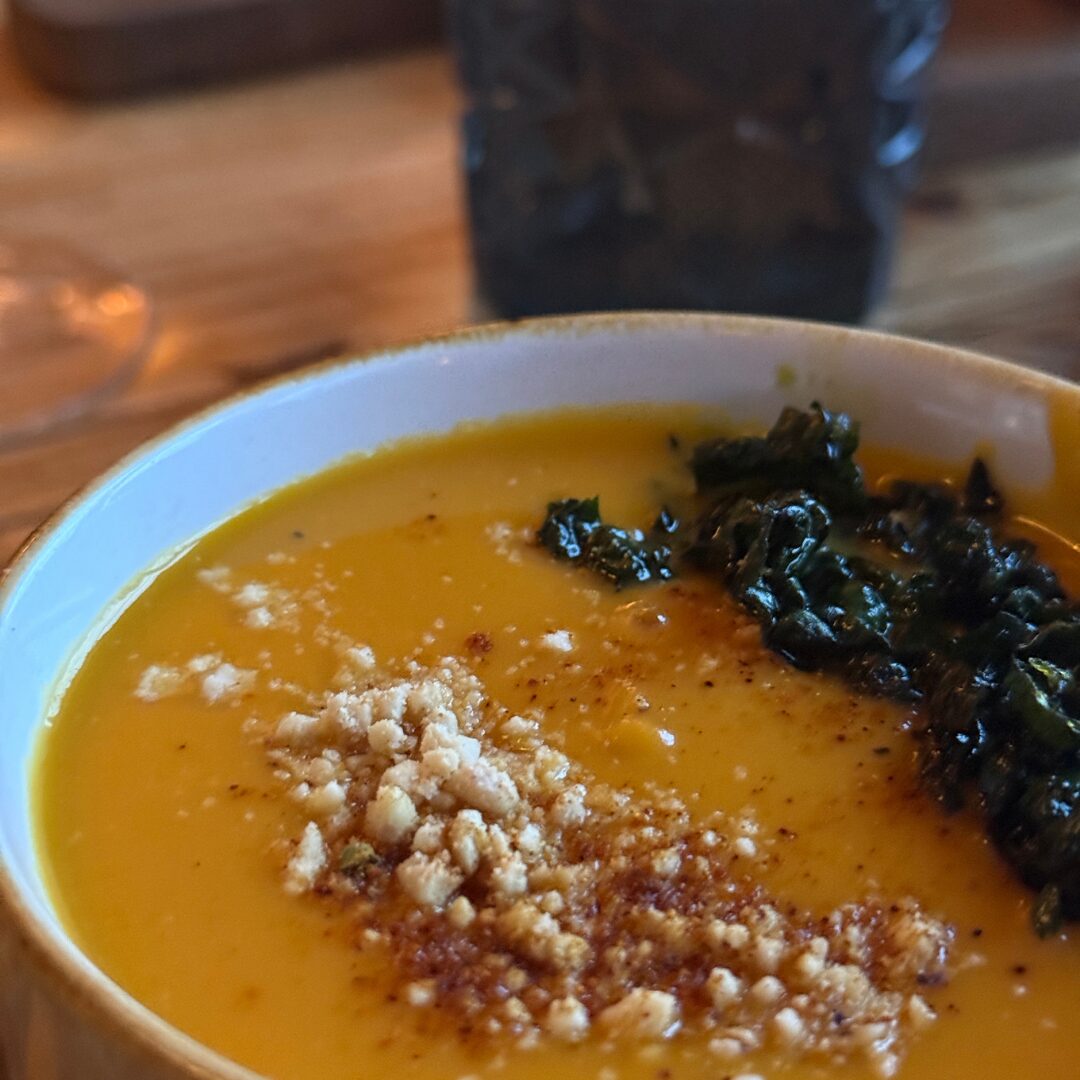
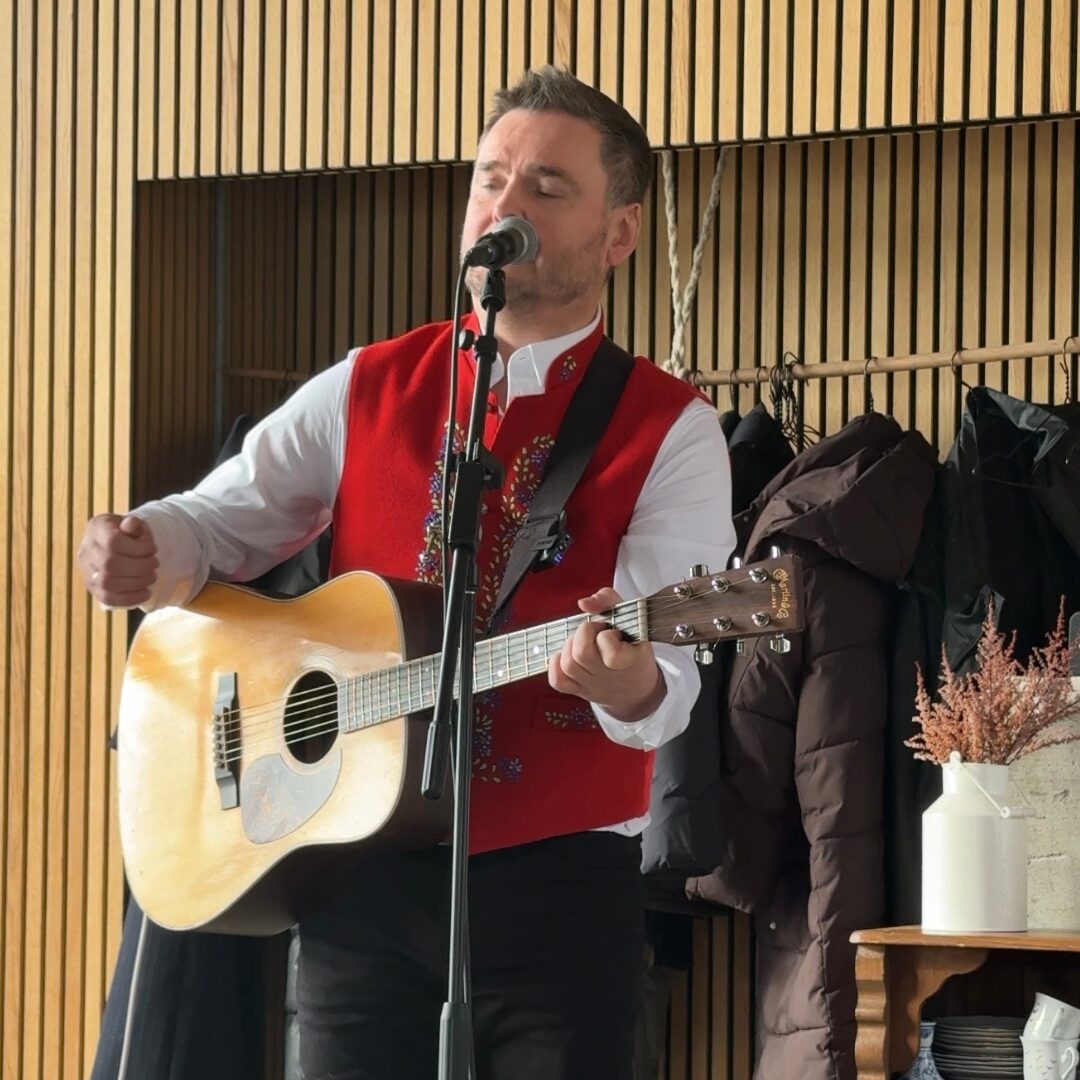
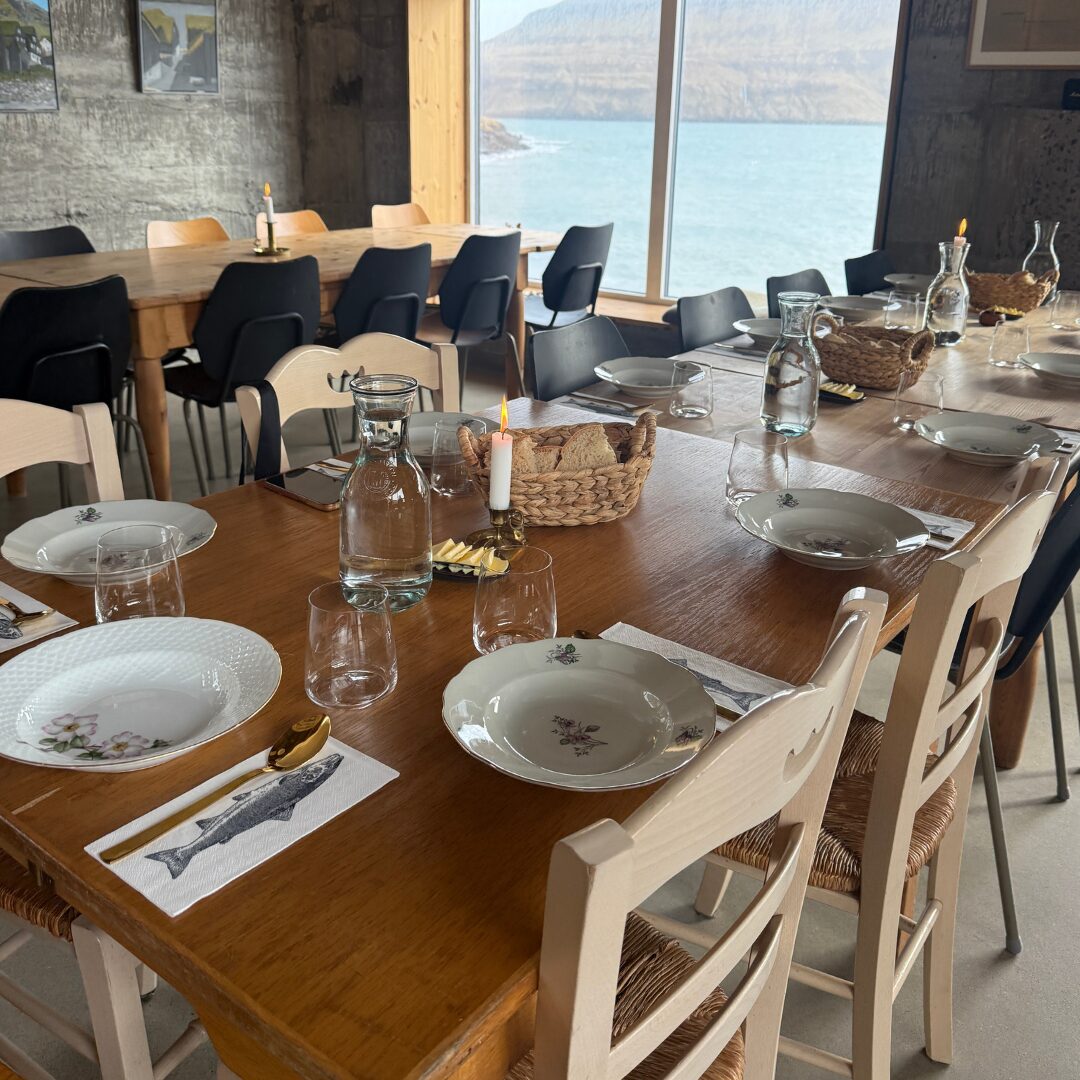
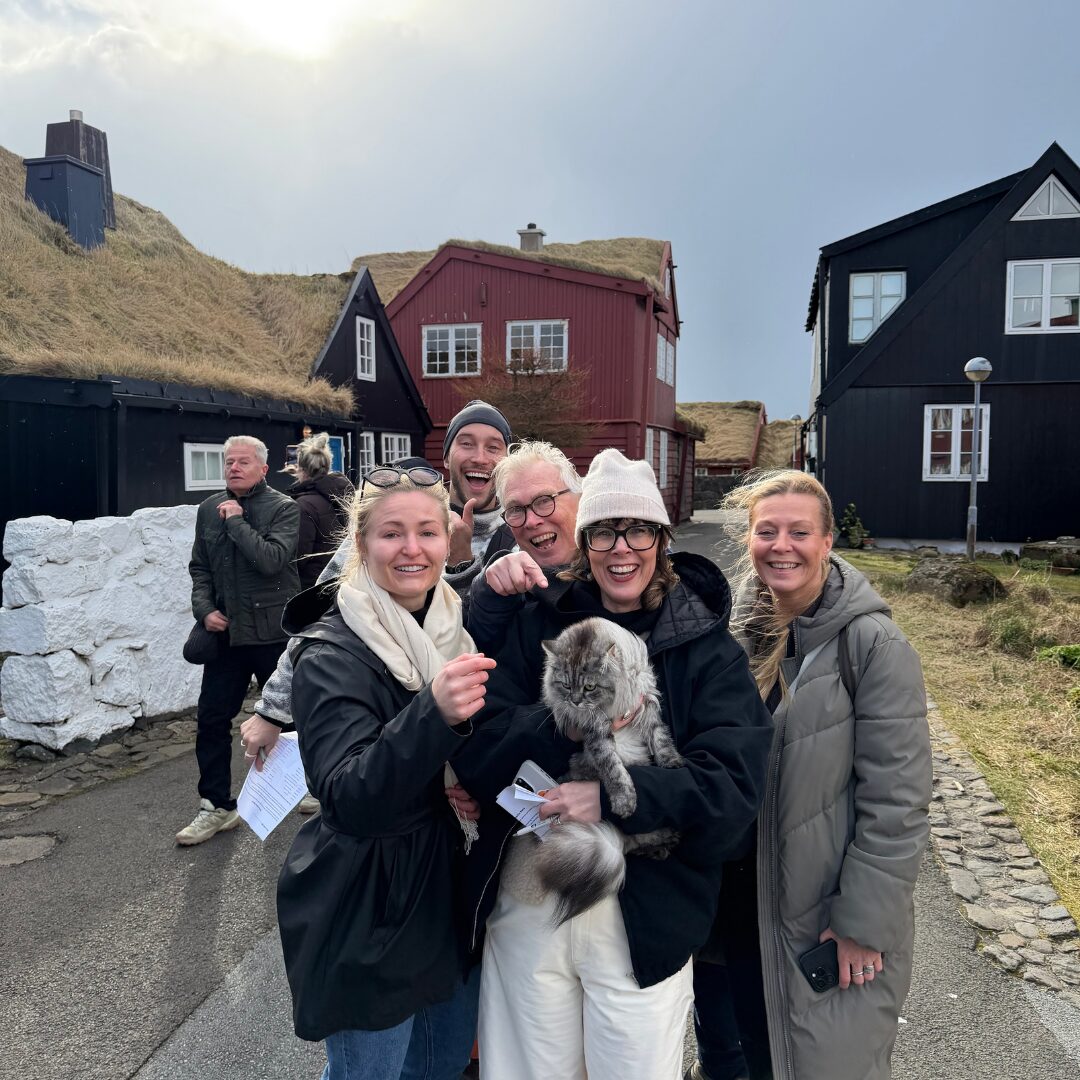
With a population of 55,000 across 17 inhabited islands (almost half living in the capital, Tórshavn) it’s a place where people are warm, open and welcoming. Upon arrival, we’re met by Niclas Heri Jákupsson, who welcomes us with stories and songs, sharing insights into life on the islands as we gather for lunch over bowls of steaming soup. Music and dance are integral to Faroese culture, rooted in its centuries-long storytelling tradition, you experience it everywhere and it certainly won’t be long before you find yourself being pulled into the Faroese chain dance.
Arts & Culture
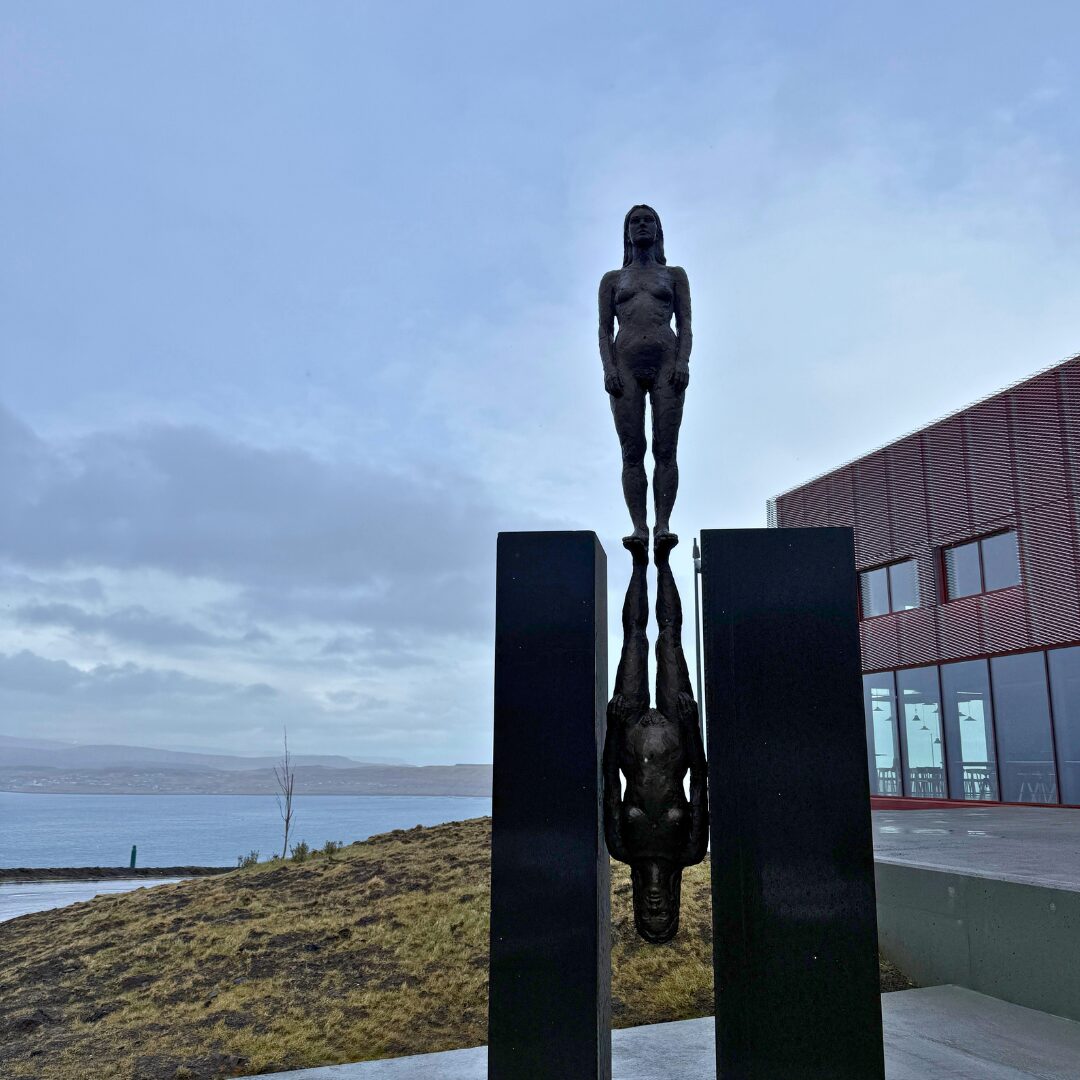
The Faroe Islands serve as a model of how the arts can thrive with the right support. Every new public building is required to allocate a percentage of its budget towards the arts; something you notice in both expected and unexpected places.
Even infrastructure becomes an experience. The world’s first undersea roundabout, linking the two largest islands, is not just a marvel of engineering but an unlikely tourist attraction, illuminated and decorated by prominent Faroese artist Tróndur Patursson. At its centre, a circular steel sculpture of figures holding hands, walking from darkness into the light, symbolises a quietly powerful idea: that by joining hands and working together, great things can be achieved.
The Landscape
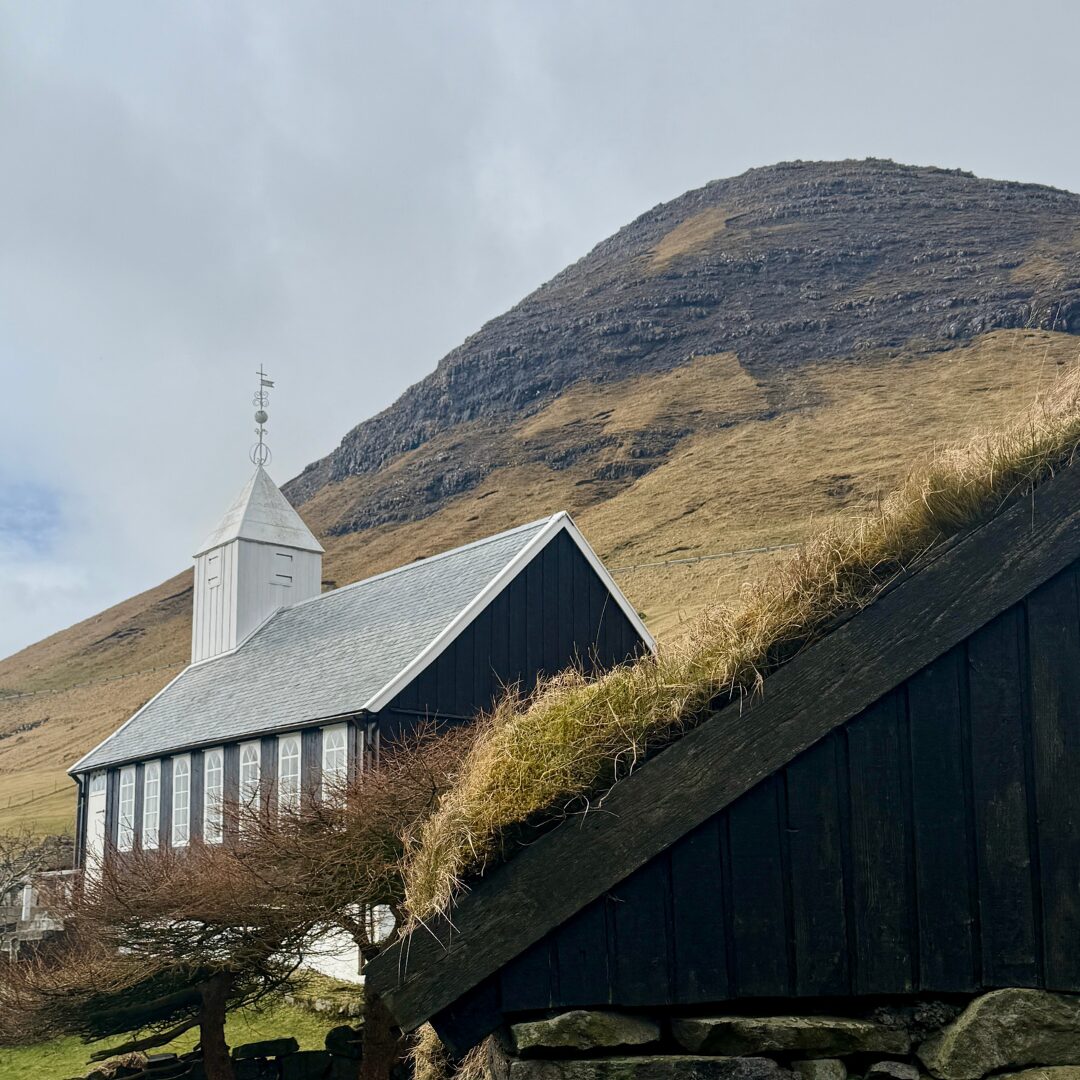
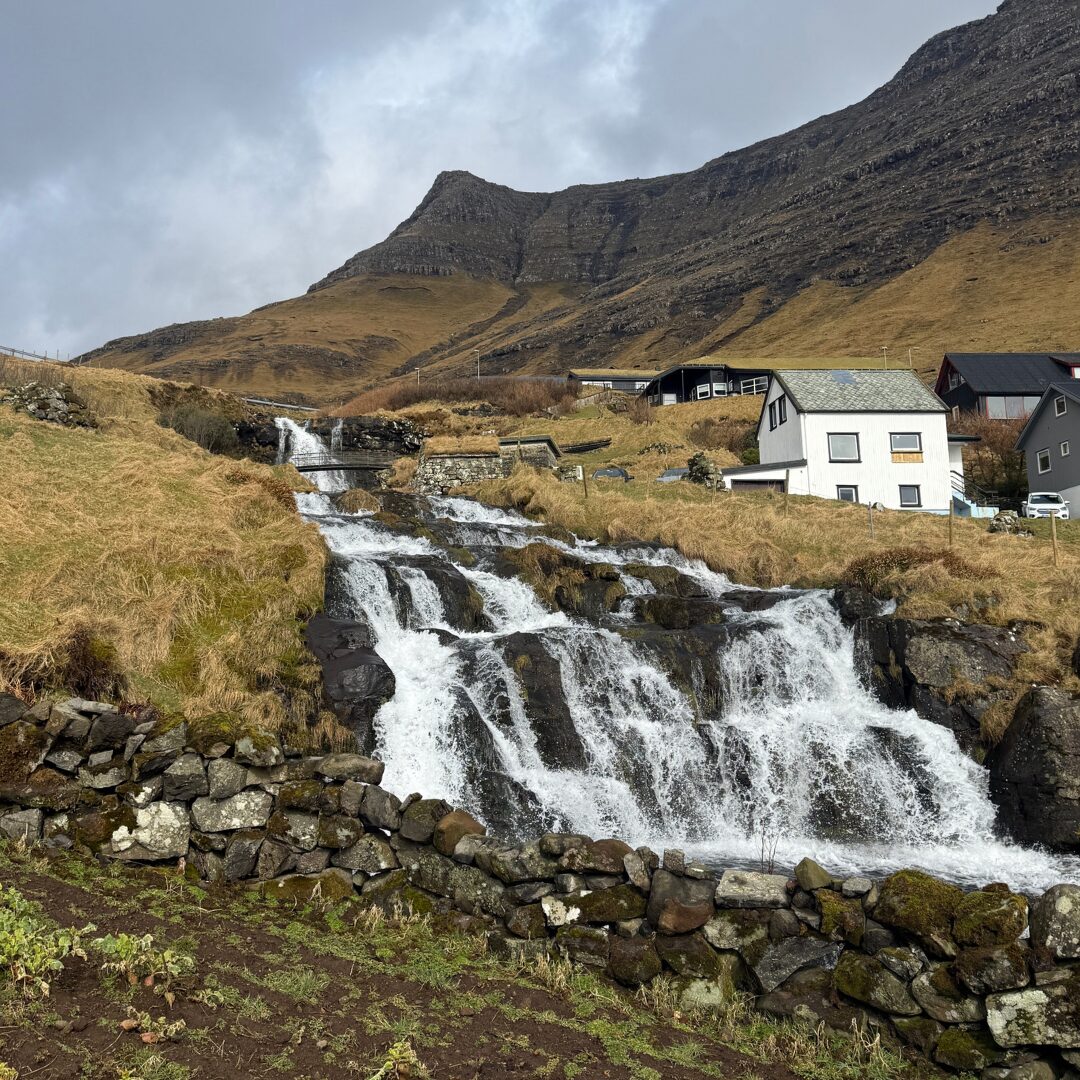
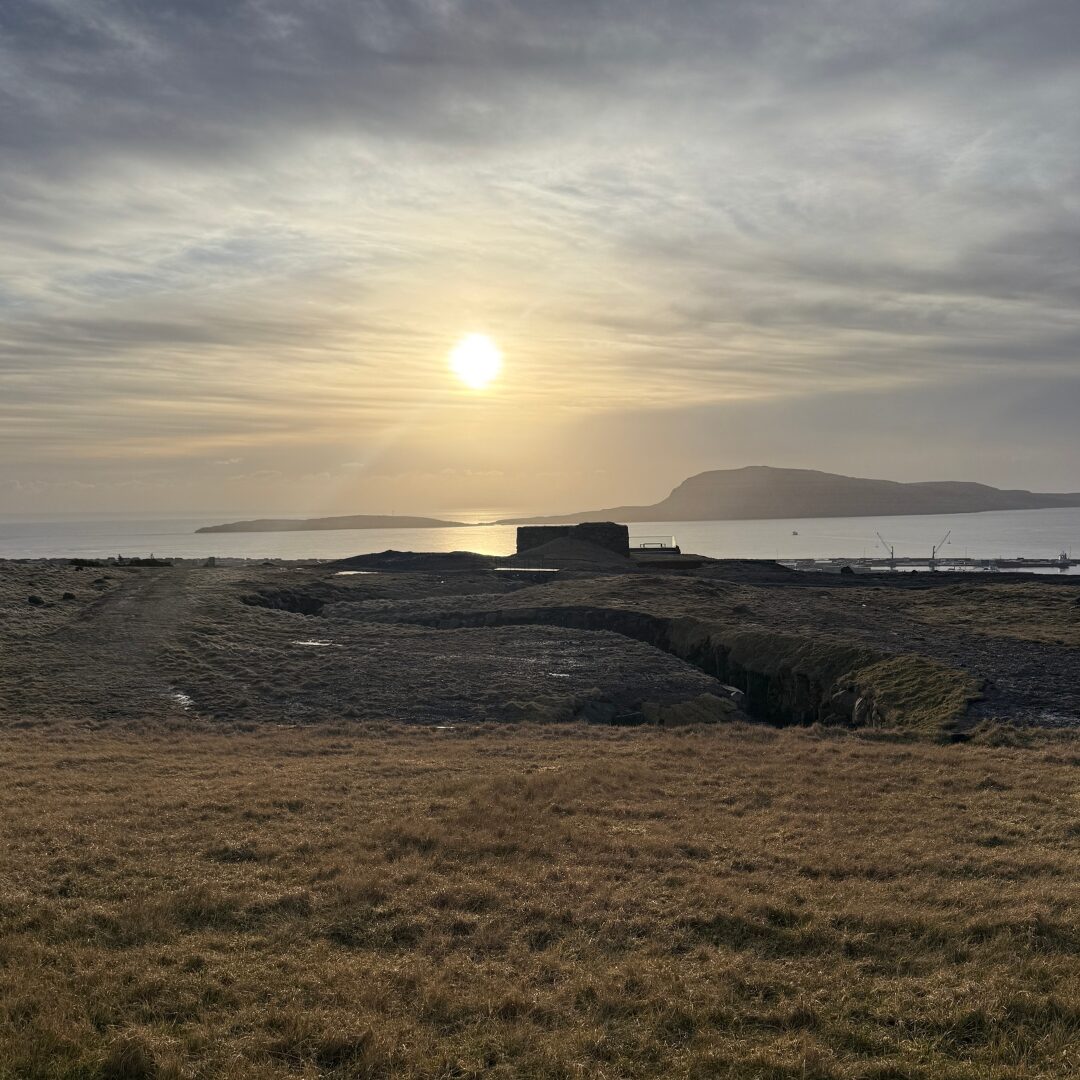
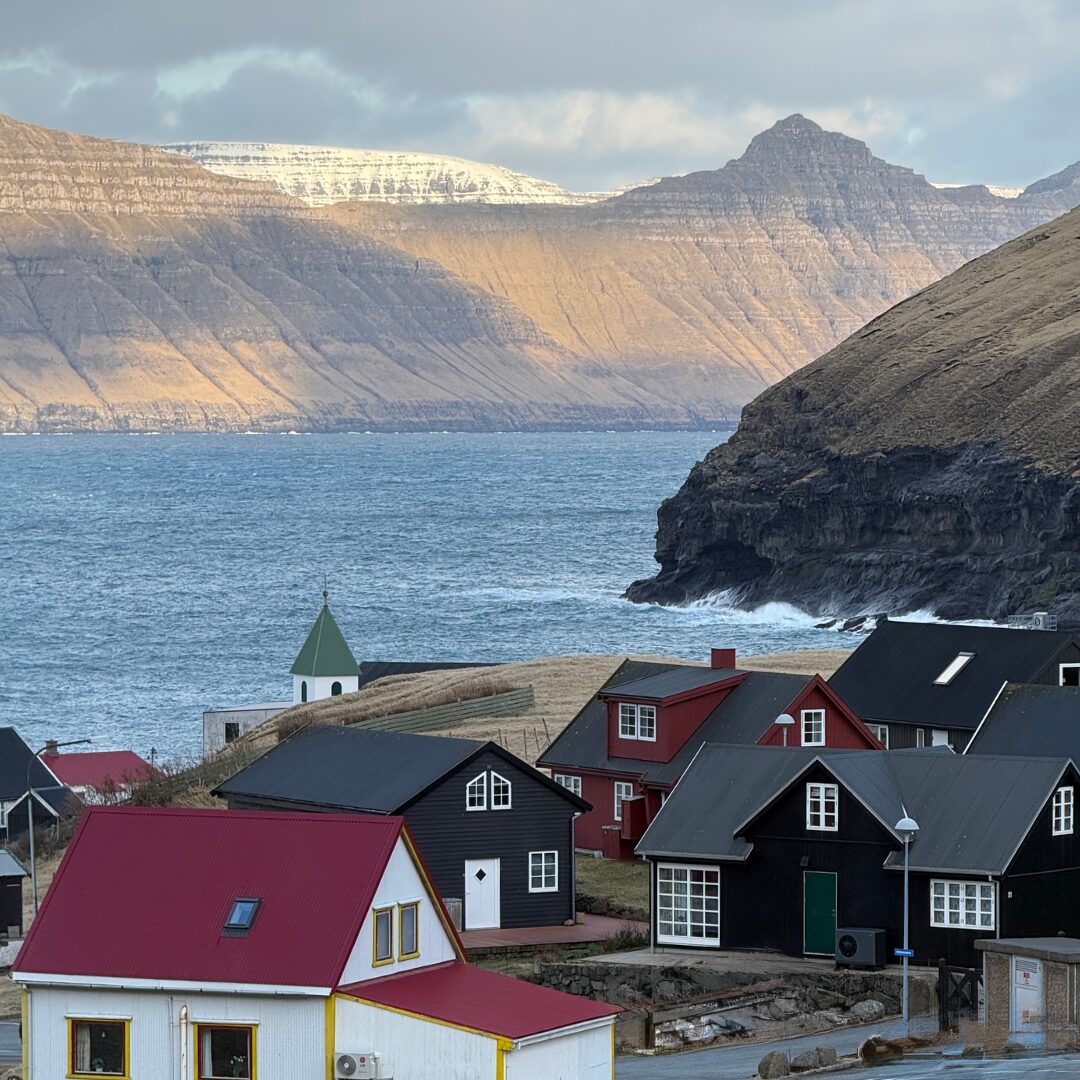
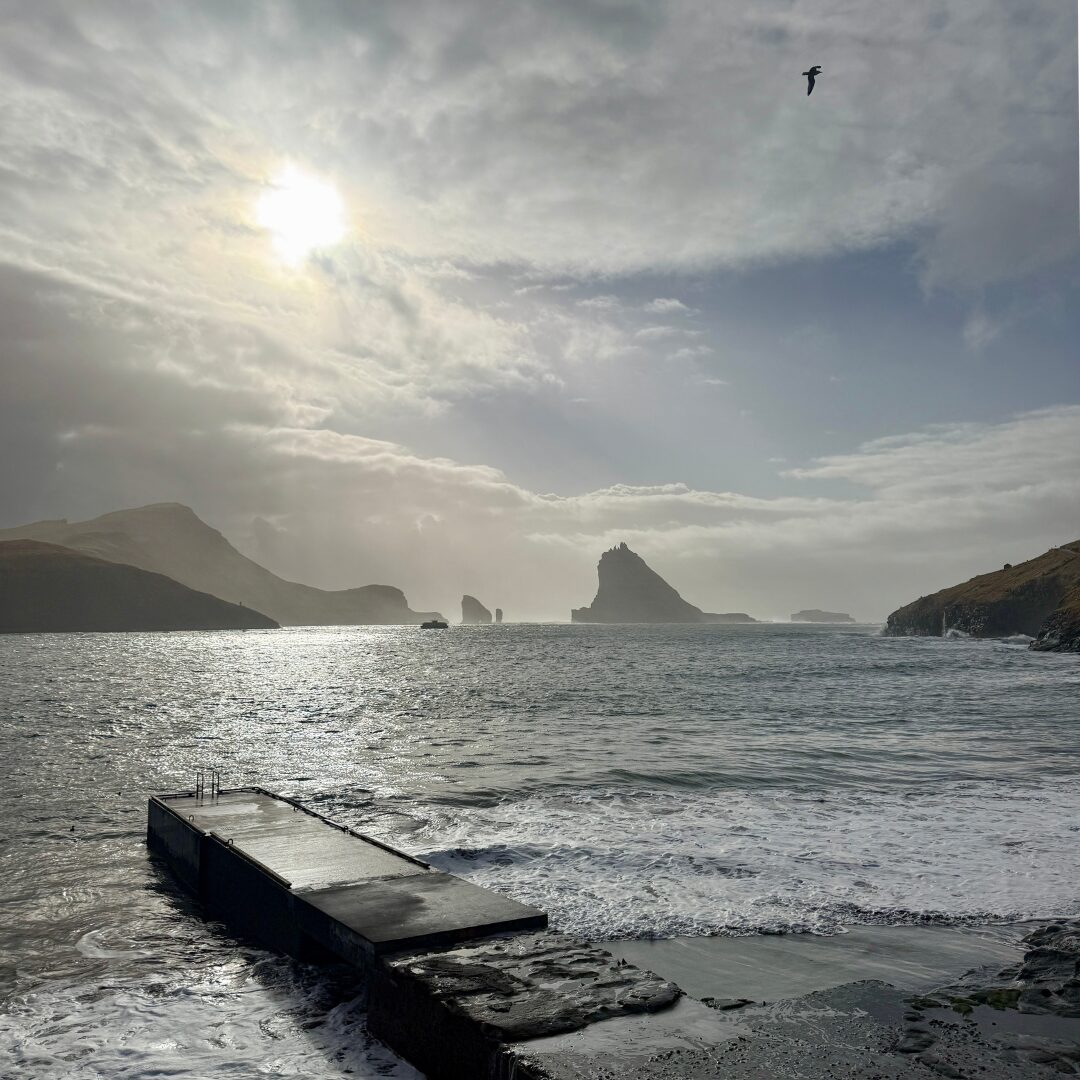
‘Getting off the beaten track’ takes on a new meaning on the Faroe Islands. You step into stillness, into the layered greens of the mountains, colourful villages dotted along the coastline and deep fjords where the light shifts constantly and nearby islands rise majestically from the sea.
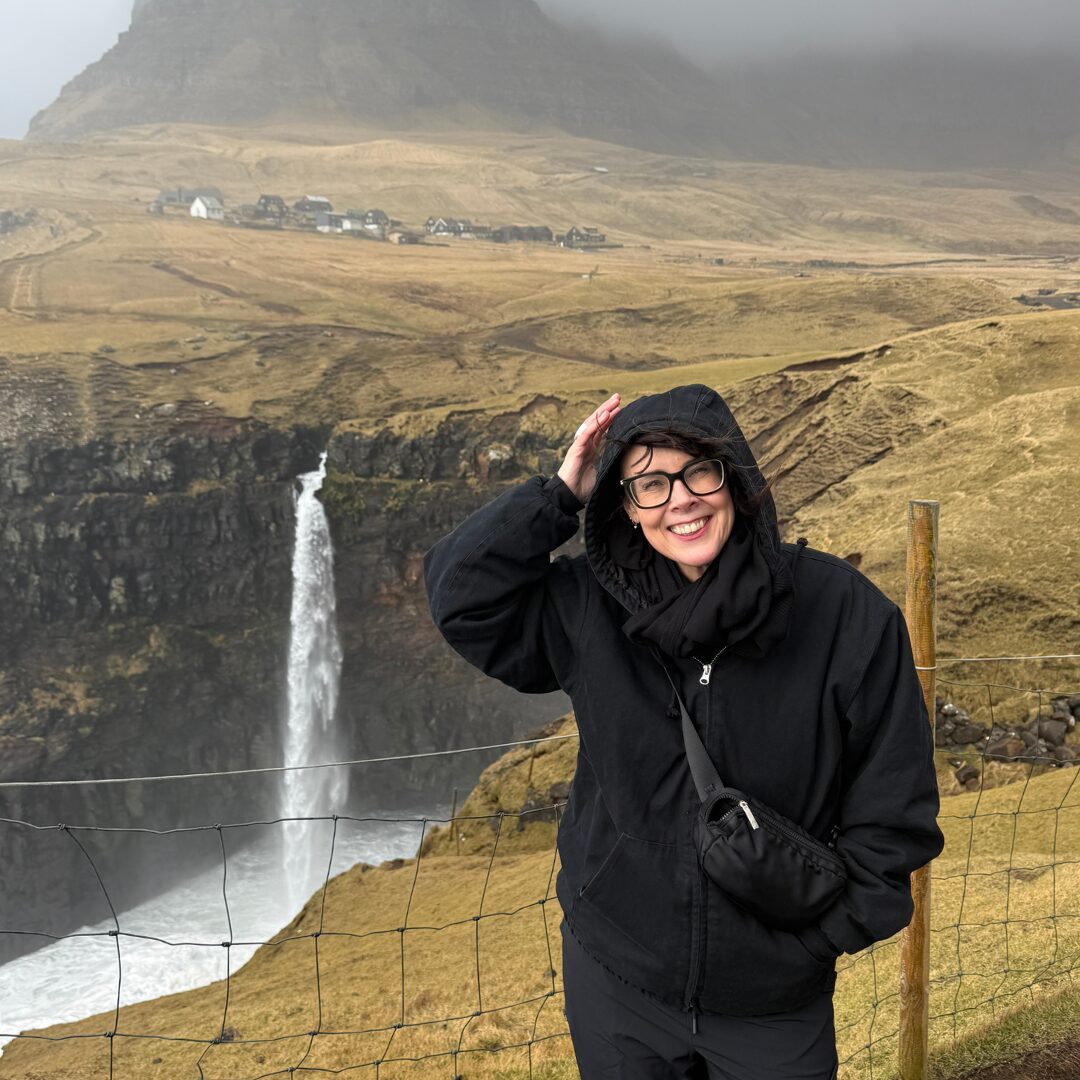
There are countless picture-perfect moments to experience, from the Múlafossur Waterfall, where water cascades off the cliff edge and drops a remarkable 30 metres into the sea below, to Lake Leitisvatn, which appears to float high above a cliff. Yet none of it feels crowded.
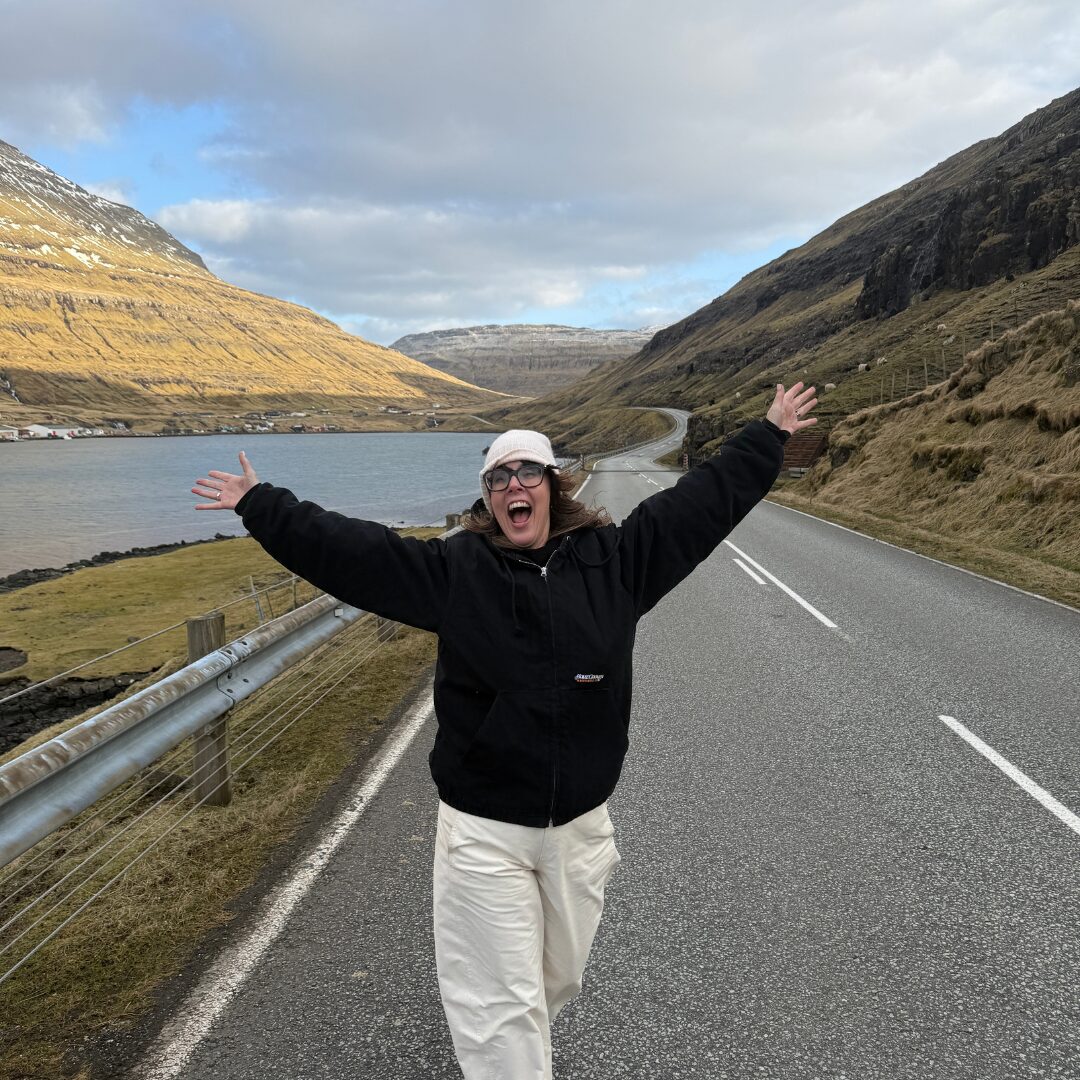
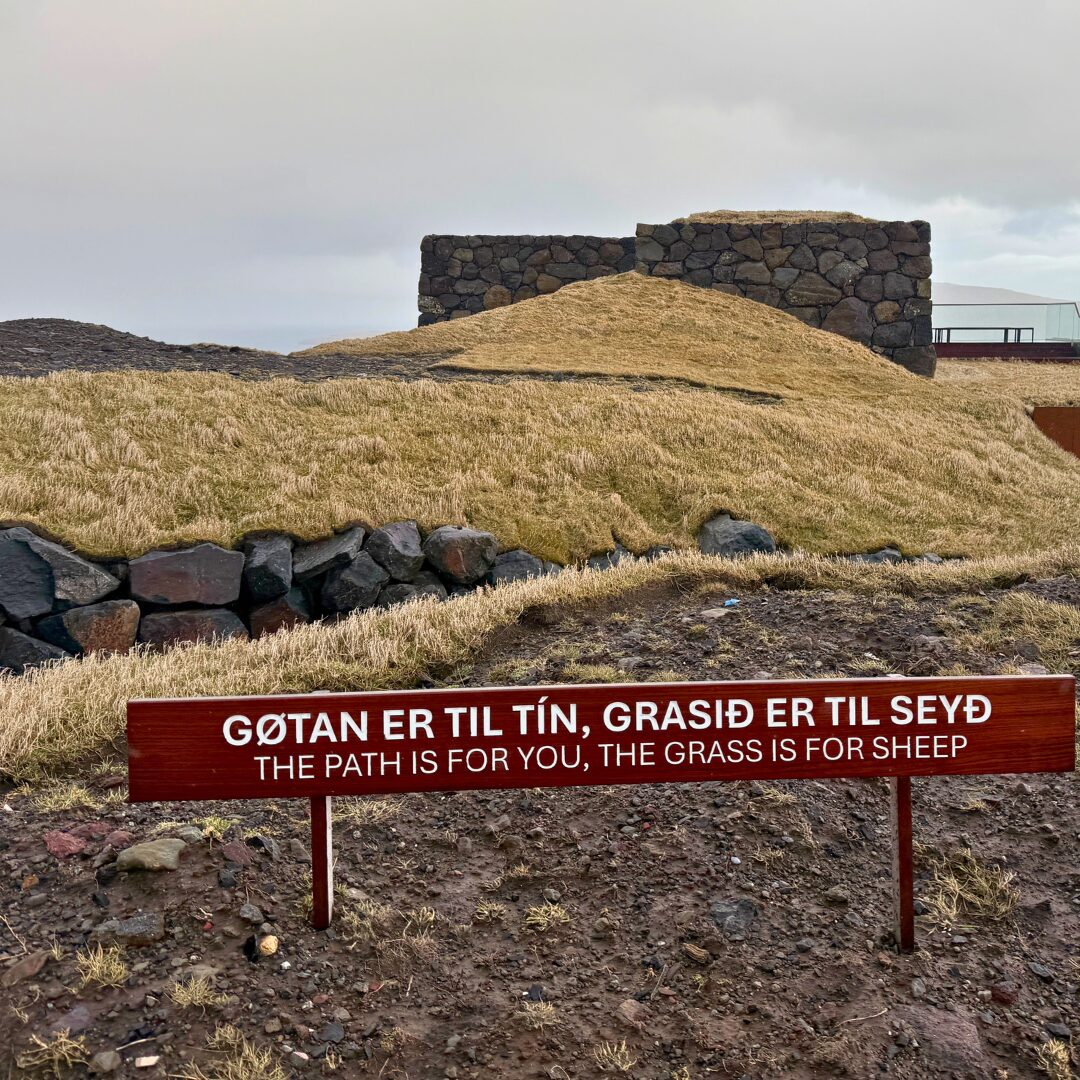
That’s intentional. The Faroe Islands are deeply respectful of their land and communities, and conscious of avoiding the pitfalls of overcrowding that can characterise destinations in the age of Instagram. One of the innovative schemes they’ve introduced are self-navigating drive itineraries that distribute visitors across the islands in surprising ways, guiding groups towards lesser-known corners of outstanding natural beauty. No group receives the same itinerary as anyone else on the road at the same time, ensuring each experience feels personal, intimate and genuinely spontaneous. You feel invited into the destination, rather than imposed upon it.
Sustainability & Responsible Travel
It’s clear to anyone visiting that the Faroes are not suffering anything like overtourism and the locals are generous in their willingness to welcome visitors and share their culture. But they’re keen it stays that way and to develop tourism as a two-way process.
The Faroe Islands ‘Closed for Maintenance’ scheme is a standout example. Each year, typically in spring, key tourist sites close to general visitors and instead welcome voluntourists to work on repair and conservation projects alongside locals. It’s a powerful model that transforms tourism into something more collaborative and reciprocal, and for events, it opens up opportunities to design programmes that go beyond traditional team building, creating shared experiences rooted in purpose, trust and contribution.
Food and Drink
The Faroese are blessed with exceptional raw materials. You’re never more than five kilometres from the sea and fish in Faroese fjords and waters hails from some of the cleanest marin
e environments in the world. Cold temperatures mean fish and shellfish grow and mature slowly, developing a rich, distinctive flavour, and every local has their own version of fish soup, so be ready to try a few.
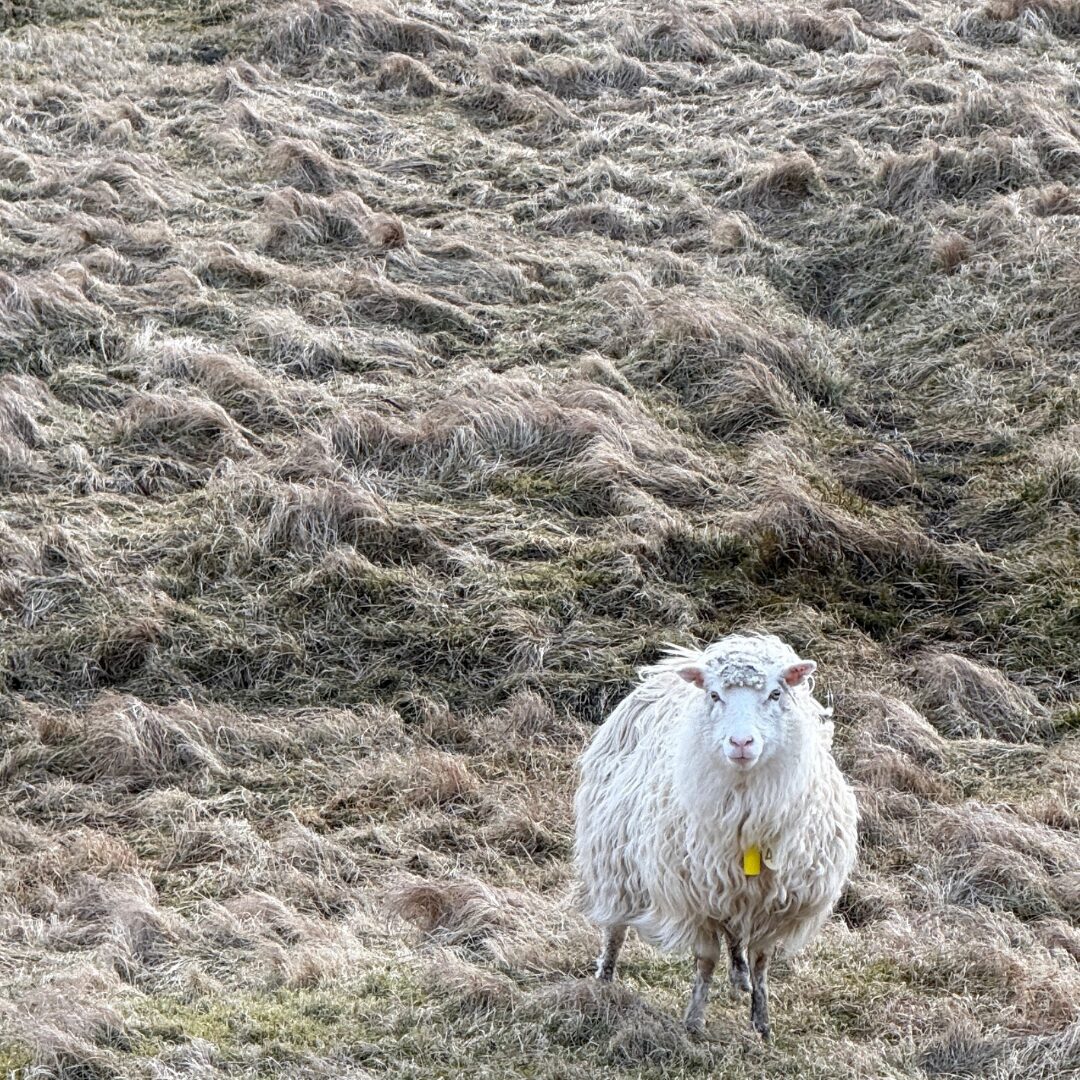
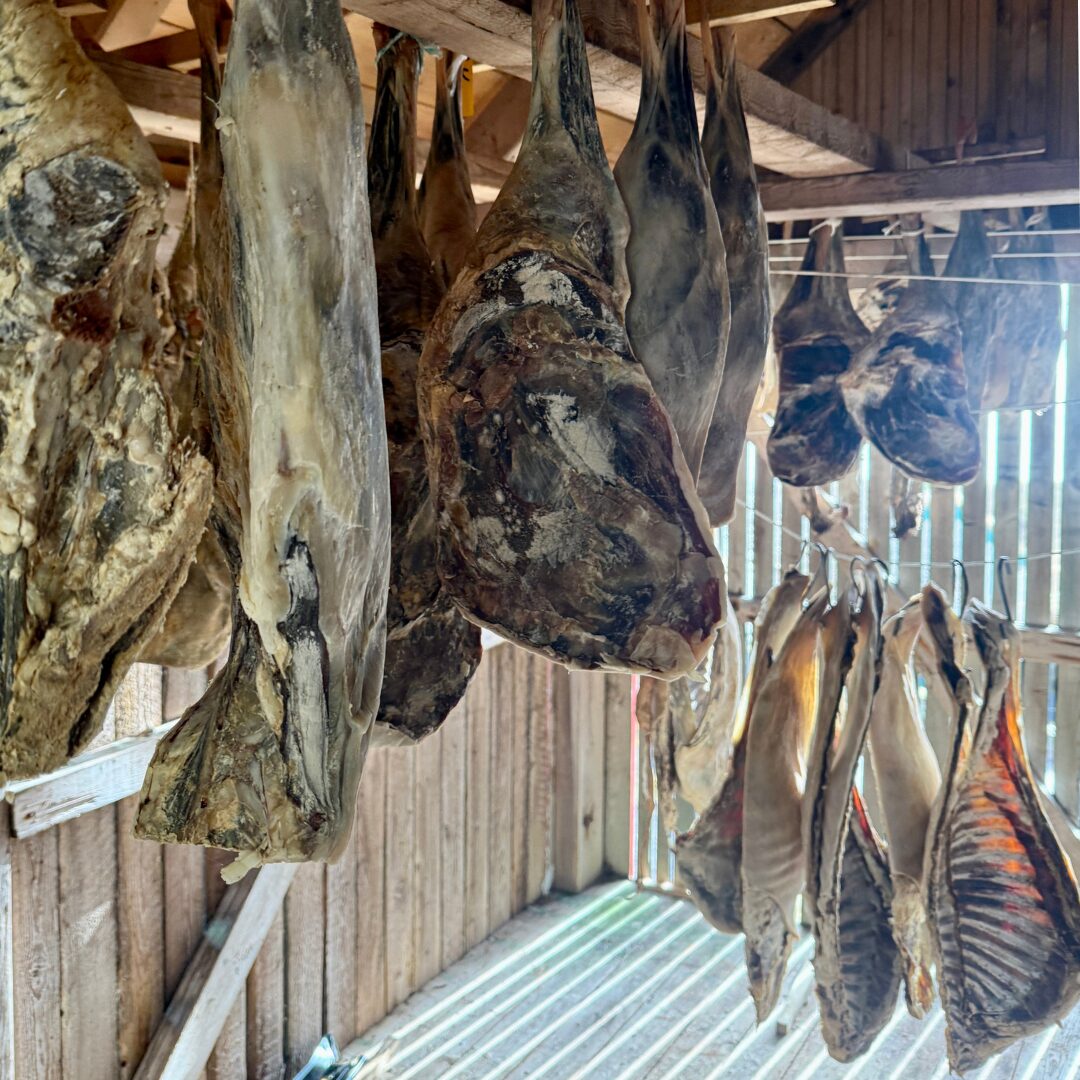
If you’re not a fisherman in the Faroes, you’re a farmer (or both!). Sheep outnumber people by almost 2:1. Meat is hung in open-sided wooden sheds called hjallar, perched on hillsides across the islands, where it dries naturally in the wind. It’s both a skill and an art form, and the basis for the taste the Faroese call ræst – fermented. The dried slices have a strong tang that I found reminiscent of blue cheese, sharpening the flavour of the lamb in a way that’s unlike anything else I’ve tasted. It’s certainly not something you’ll forget in a hurry.
These traditional methods have been embraced by a new generation of innovative Faroese chefs, driving a gastronomic scene rooted in food traditions and locally sourced produce. At its heart is two-Michelin-starred chef Poul Andrias Ziska, formerly of the legendary KOKs and now owner of PAZ, located in the 62N Hotel, where many ingredients are sourced locally, including seafood and foraged items. The restaurant’s focus on fish, fermentation and responsible sourcing makes dining here not just a meal, but a celebration of the Faroese landscape.
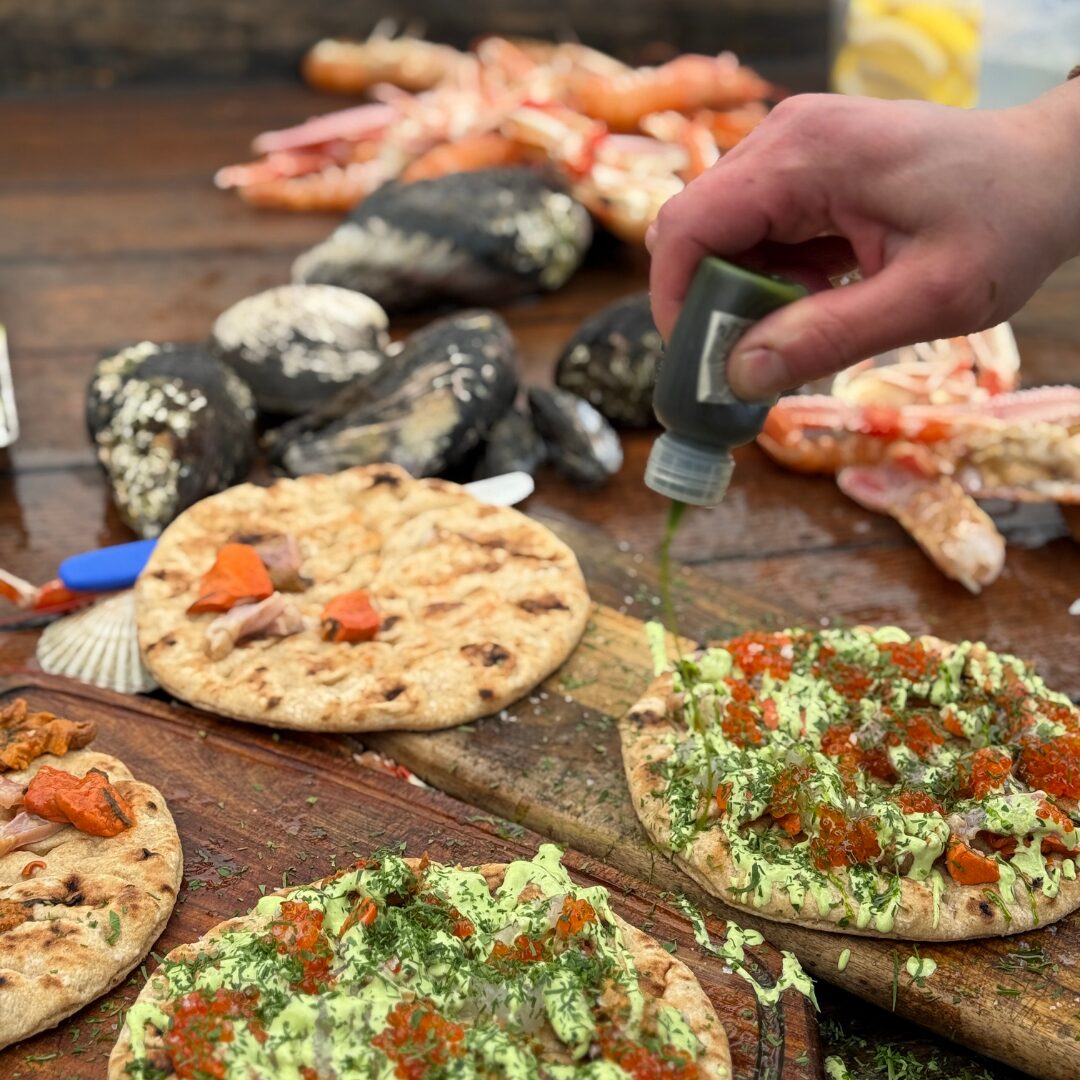
On occasion, it’s also possible to arrange for Poul Andrias Ziska to cook privately for groups. We were lucky enough to experience this on board a schooner, where scallops, horse mussels and sea urchin were pulled from the sea and prepared in front of us, both to sample and as part of an incredible fish pizza. Simple, but one of the best things I’ve tasted. It doesn’t get much fresher than this.
Wellbeing
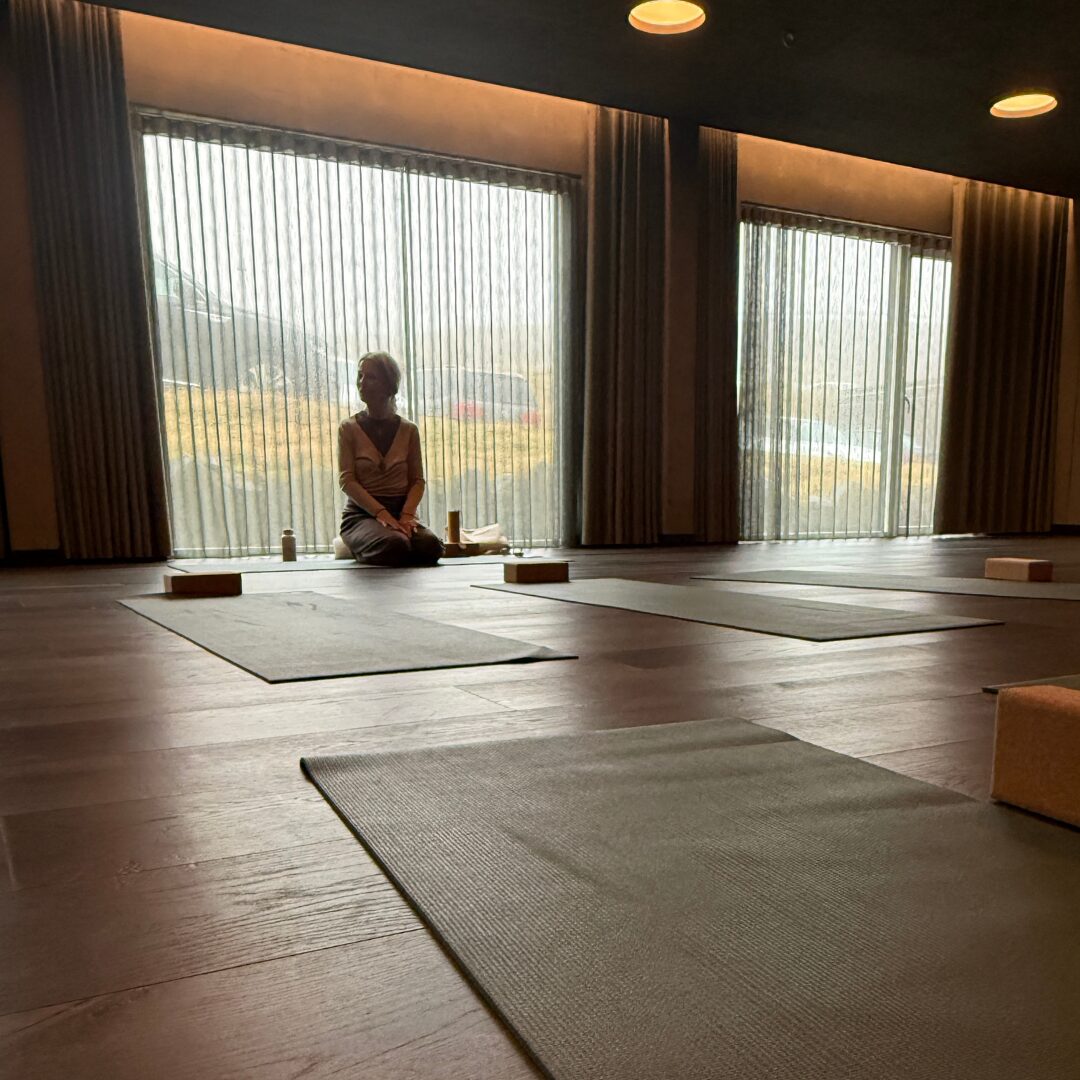
Surrounded by nature, the elements do most of the heavy lifting when it comes to wellbeing on the Faroe Islands. Stepping outside is the perfect opportunity to slow down and across the islands, steaming outdoor hot tubs and saunas invite you to soak in the sea views. For the ultimate reset, a cold-water plunge in the Faroese sea is hard to beat.
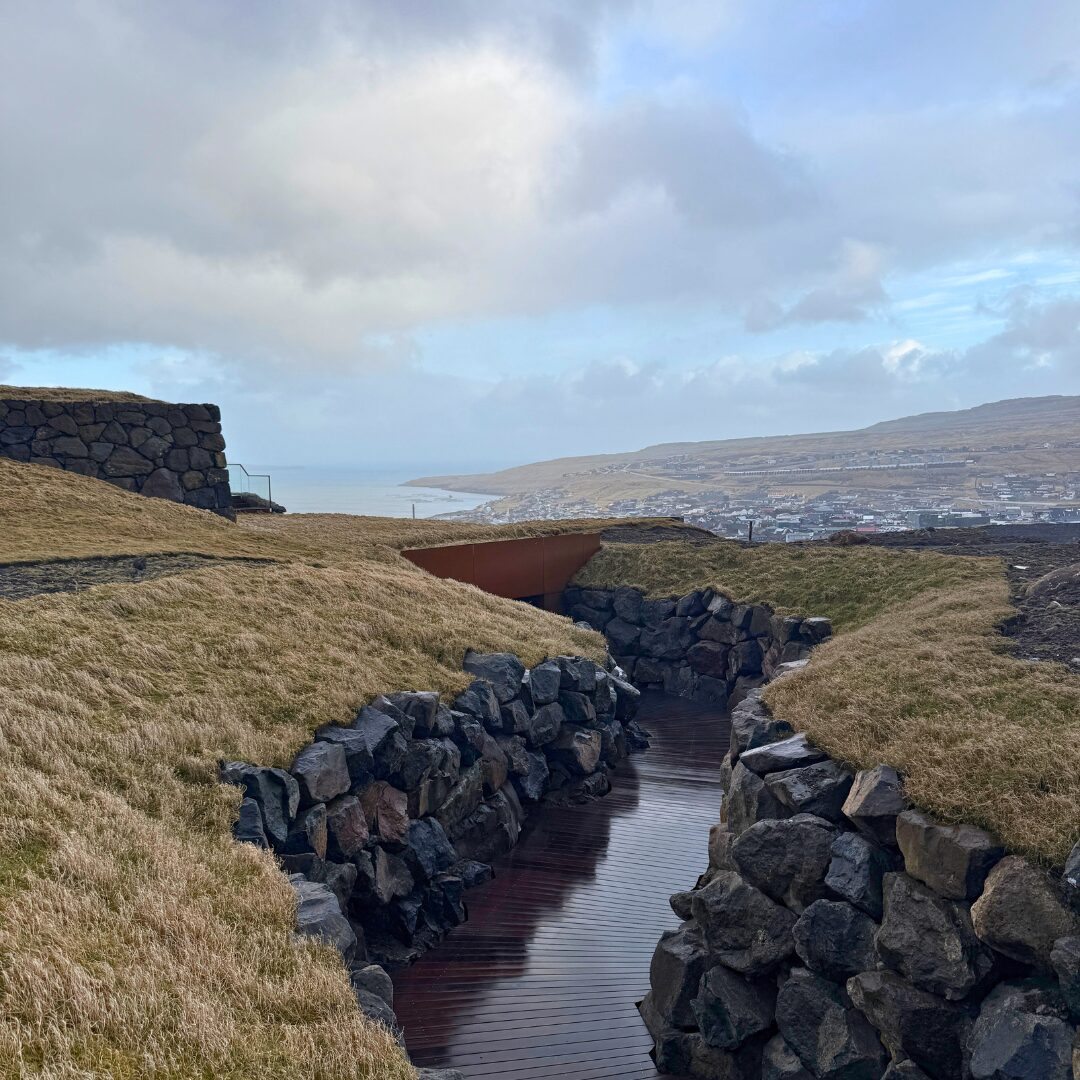
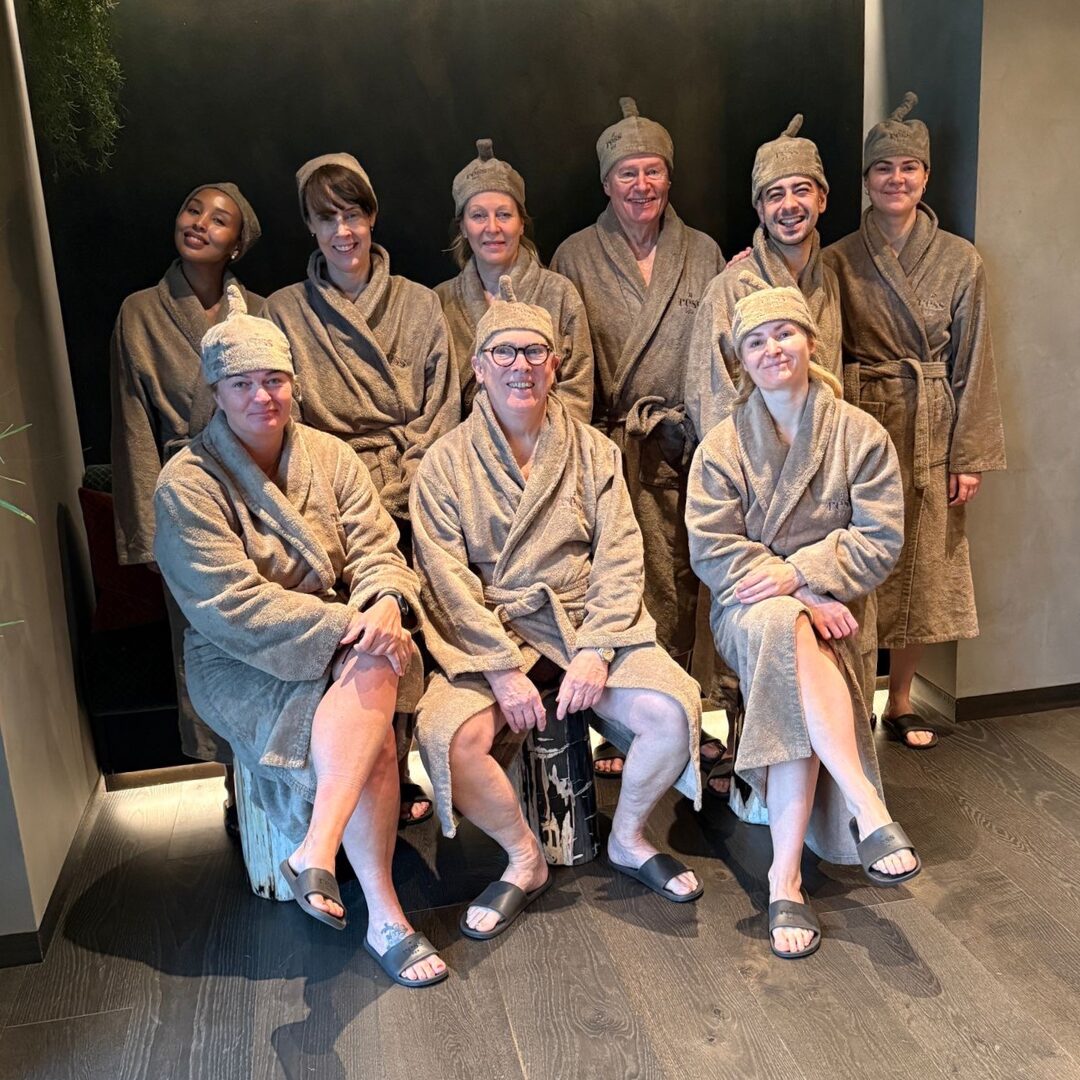
The Ress Spa at Hotel Føroyar takes this philosophy to another level entirely and has been featured on TIME’s World’s Greatest Places of 2026. The experience begins before you even arrive at the spa door. Guests walk outside, barefoot along a carved path exposed to the elements; wind, rain, whatever the Faroes decide to throw at you that day. It’s intentional: research suggests that barefoot contact with the earth can help lower stress and improve sleep. By the time you reach the spa itself, with its indoor and outdoor pools, cold plunges and Saunagus rituals, where a gus master pours essential oil-infused water onto hot rocks and swings aromatic steam through the air with towels, your mind has already started to let go. For a group, it’s a genuinely transformative shared experience.
Where to Host Your Event
The Faroe Islands offer a diverse and characterful mix of venues, from cultural landmarks to design-led hotels and large-scale event infrastructure. Here’s what makes each one worth your attention.
The Nordic House (Norðurlandahúsið)
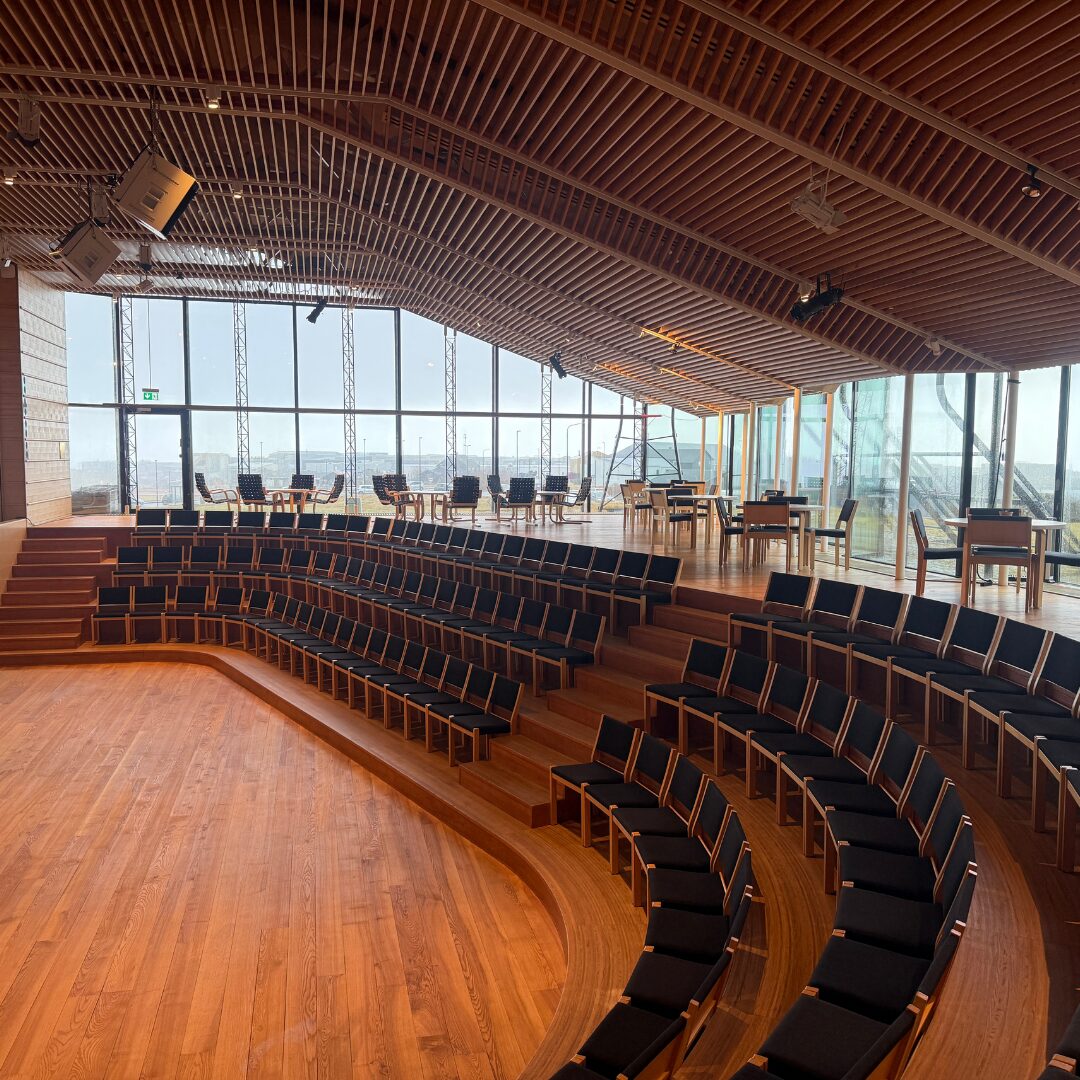
Designed by the acclaimed Danish architect Jørn Utzon (the visionary behind the Sydney Opera House) the Nordic House is as much a cultural experience as it is a venue. Step inside and the warmth of the wooden interiors draws you in immediately, a deliberate contrast to the drama of the landscape outside. As a hub dedicated to promoting Nordic and Faroese creativity, it hosts exhibitions, concerts and performances throughout the year. Come here for the culture and stay for the chain dance. If you haven’t been pulled into a Faroese chain dance by the end of your visit, did you even go?
Hotel Føroyar
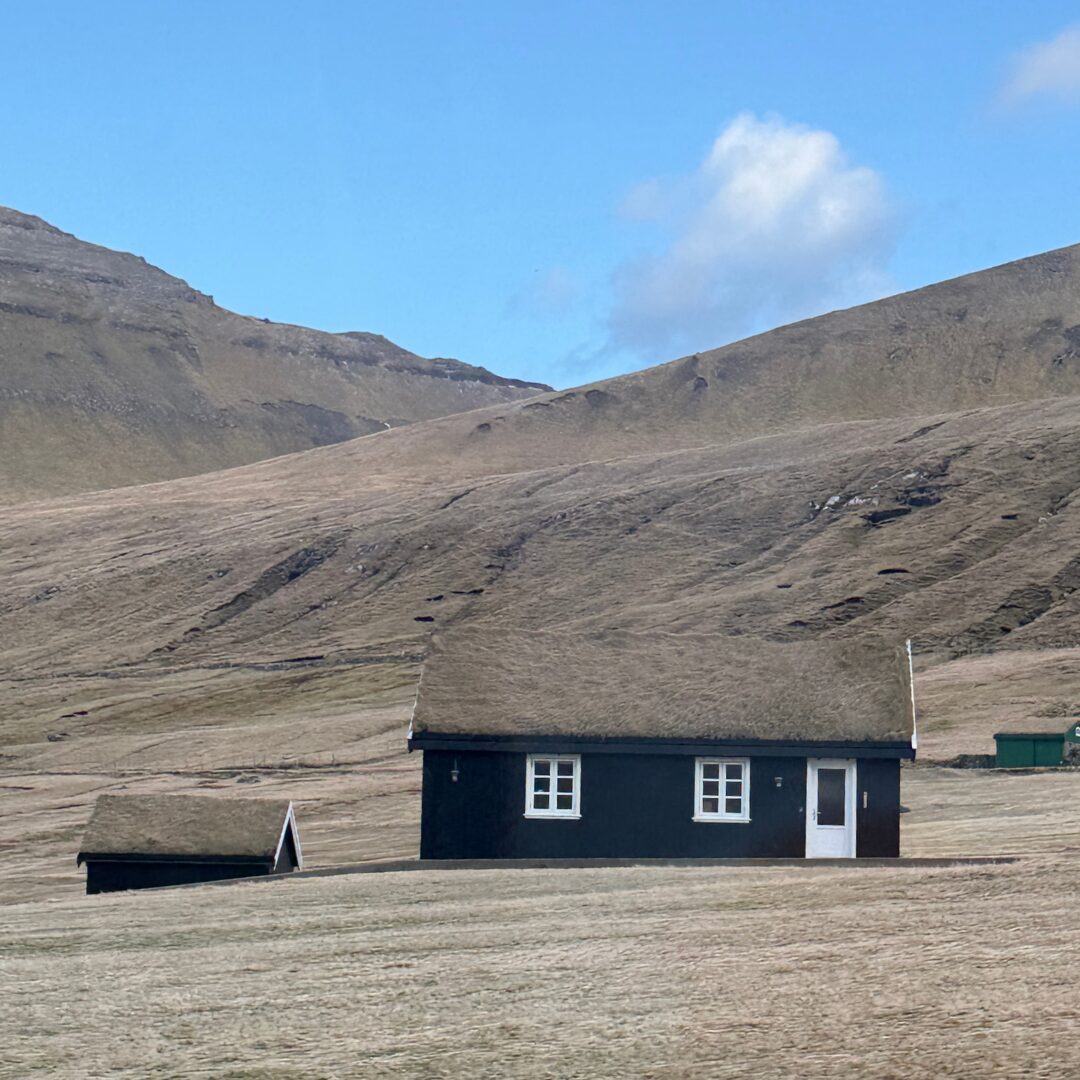
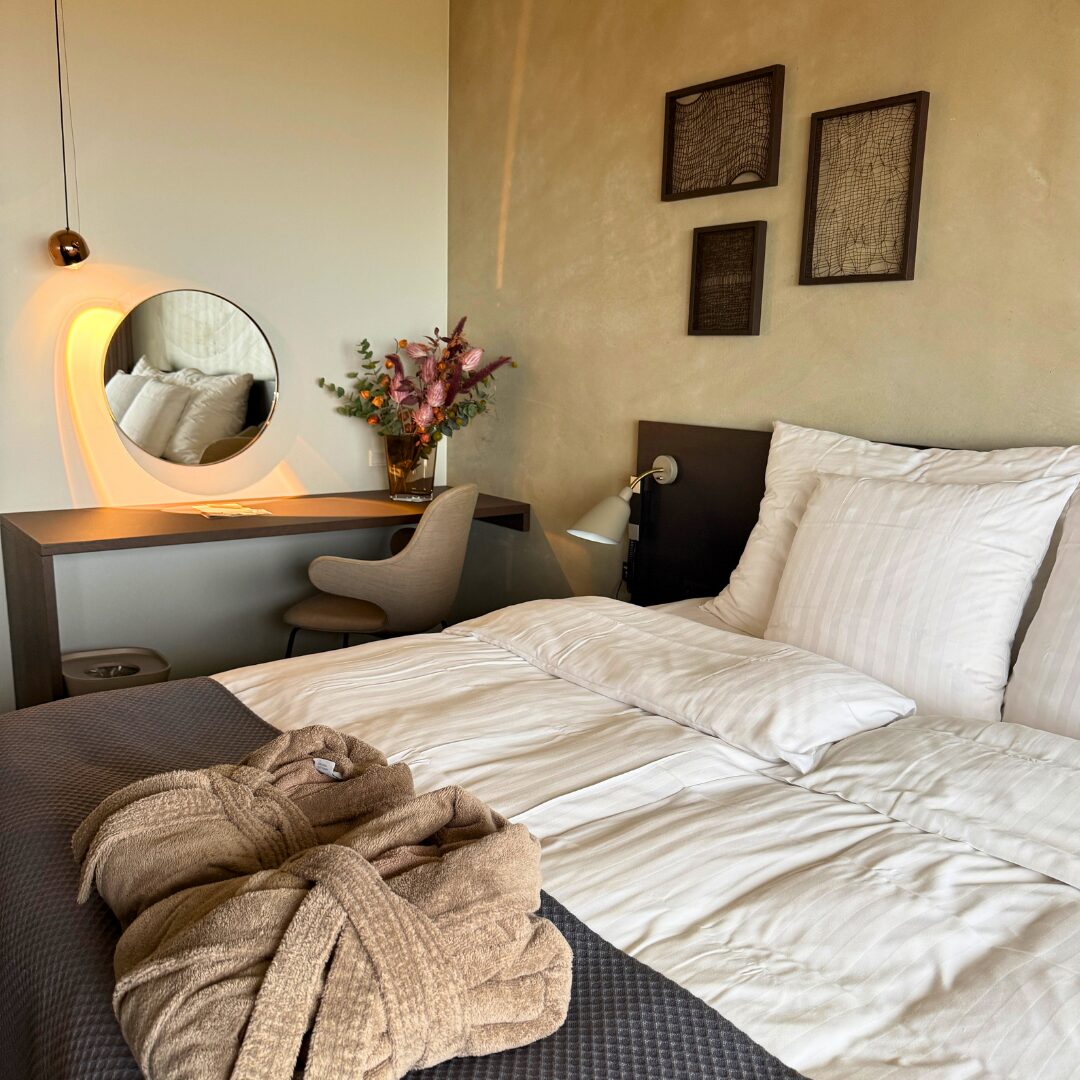
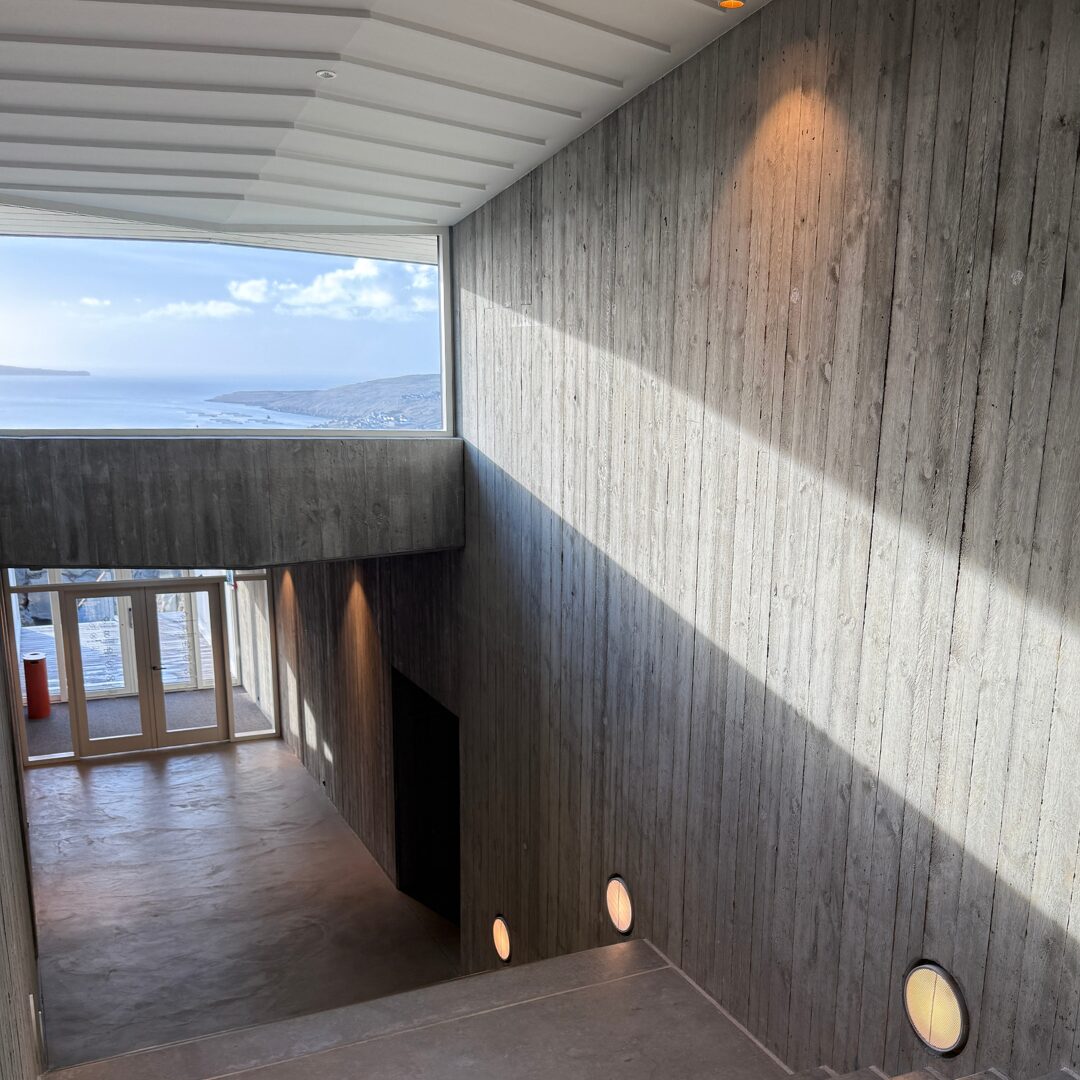
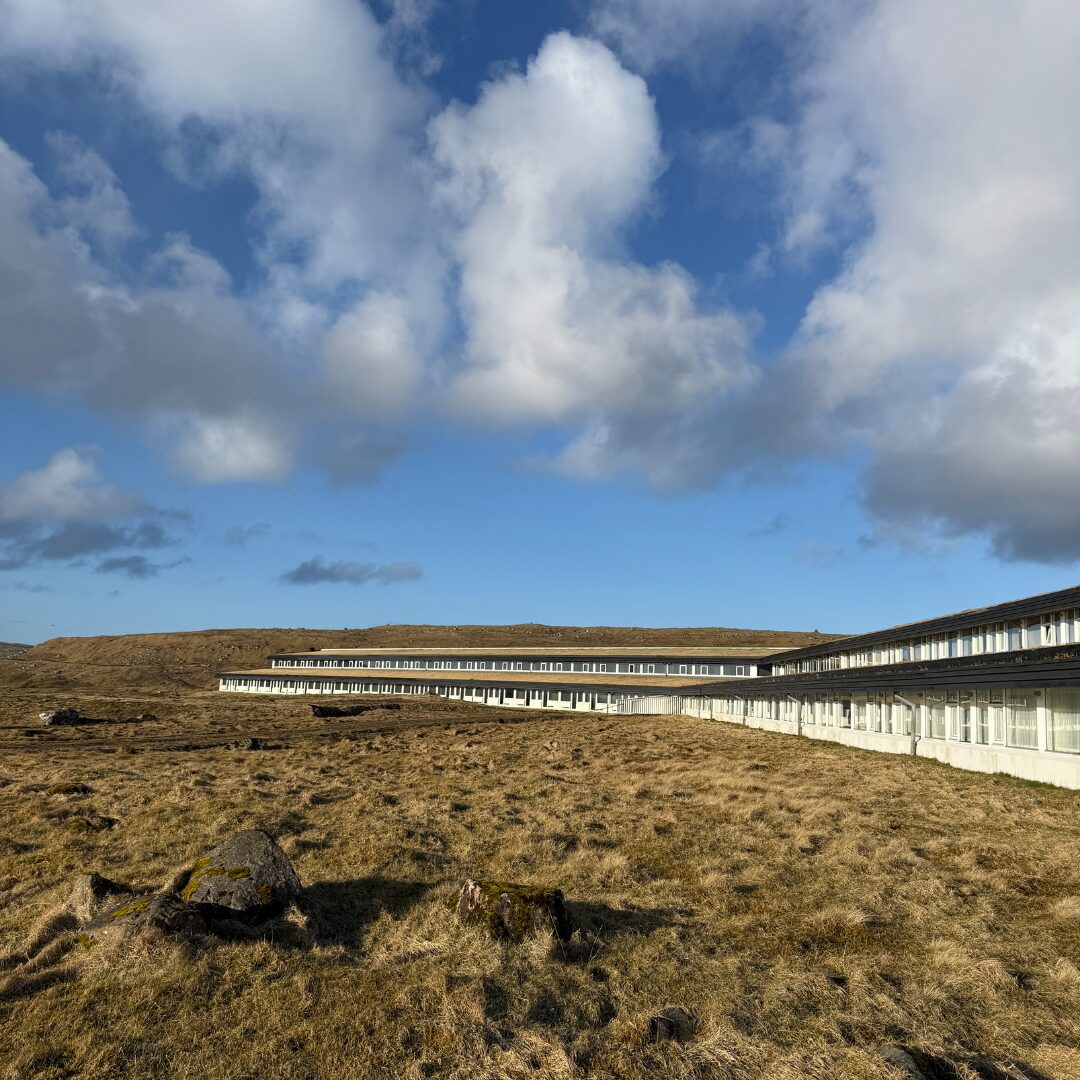
Blending into the hillside above Tórshavn with its black wooden facades, grass roof and panoramic views across to the island of Nolsoy, Hotel Føroyar is one of those places that quietly exceeds expectations. Every room earns its view and the hotel restaurant, RUTS, is worth an evening of anyone’s time. With meeting facilities for up to 400 guests, it works hard as a conference hotel but as noted above, it’s the Ress Spa that lingers longest in the memory.
Við Tjarnir
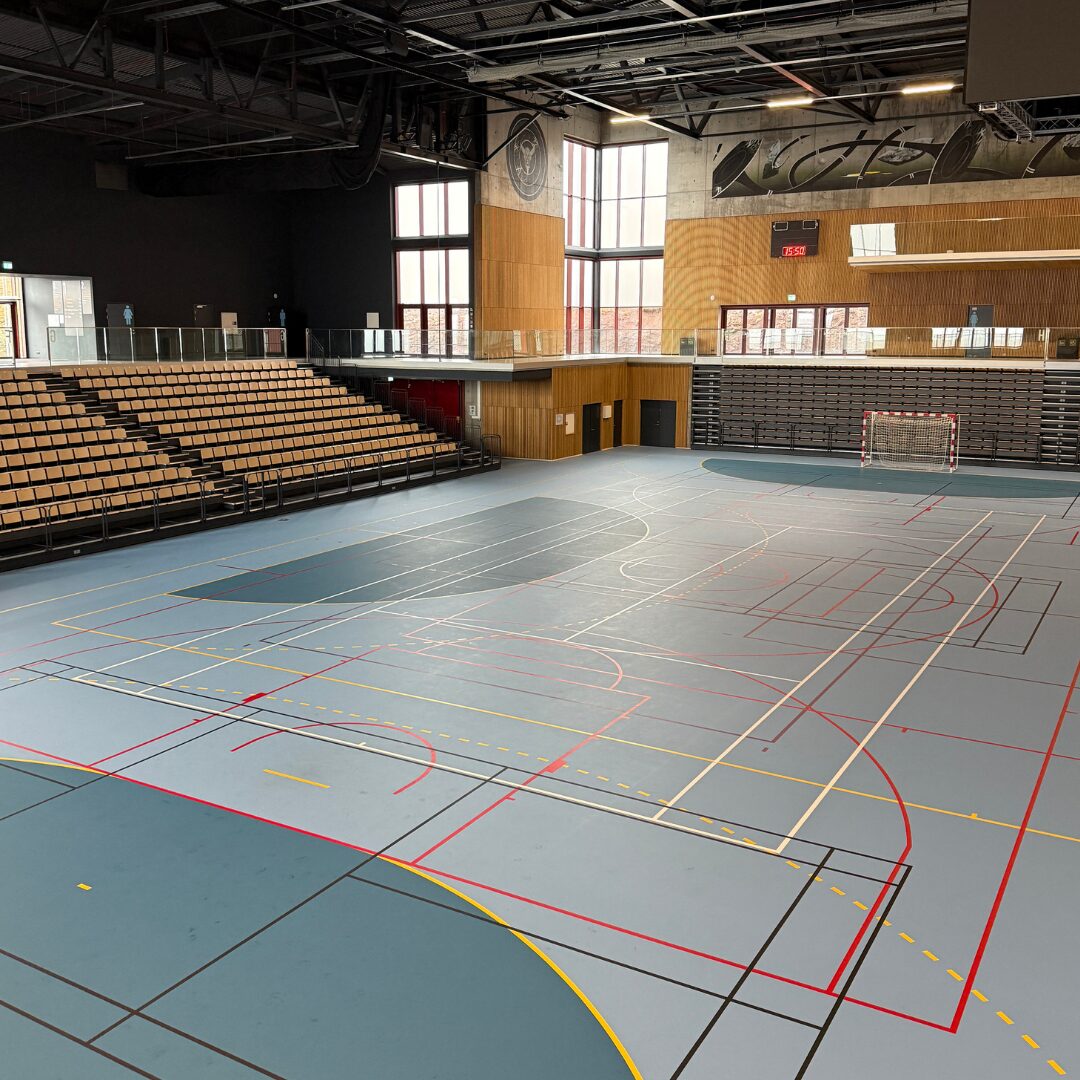
Opened last year, Við Tjarnir is a genuine game changer for events in the Faroe Islands. With capacity for up to 3,000 guests across concerts, conferences and sporting events, the scale of the space stops you in your tracks when you first walk in. And the Faroese are serious about their sport. There’s a passion here that fills a venue in a way that’s hard to manufacture. For those seeking a premium experience, the VIP bar and dedicated seating areas offer some of the best views in the house, whether you’re watching a handball match or hosting a drinks reception with a difference. Sustainability is built into the fabric of the building, the venue holds the highest Green Key rating, with intelligent lighting and heating systems working efficiently in the background.
Hotel Hafnia
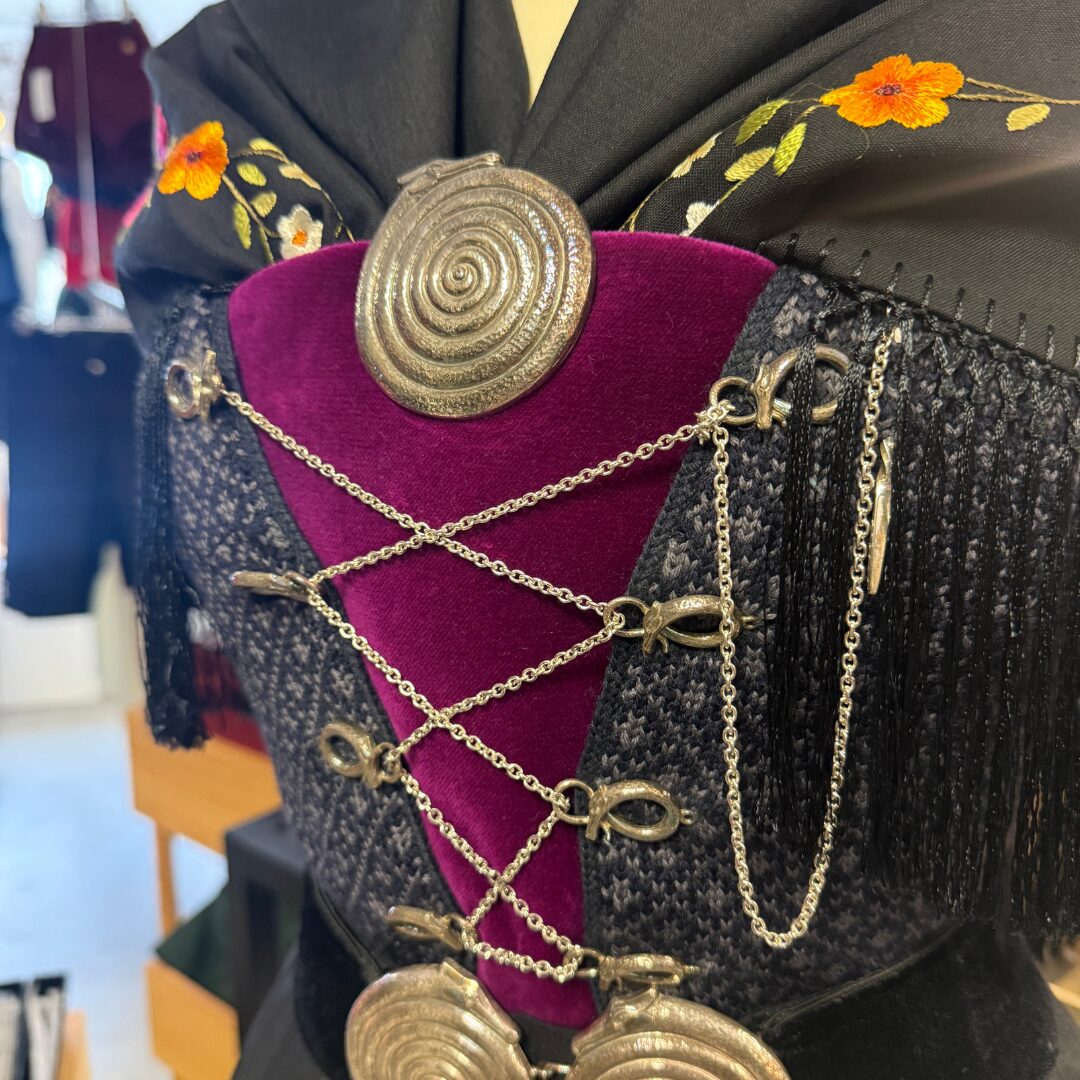
We arrived at Hotel Hafnia to find the hotel quietly buzzing. A wedding reception was being set up and guests were beginning to arrive in full Faroese national dress. The women in intricately embroidered aprons, the men in vibrant waistcoats, all adorned with ornate handmade silverwork. It was an unexpected and moving window into Faroese culture, and it said something important about this hotel: it is genuinely part of the life of the city.
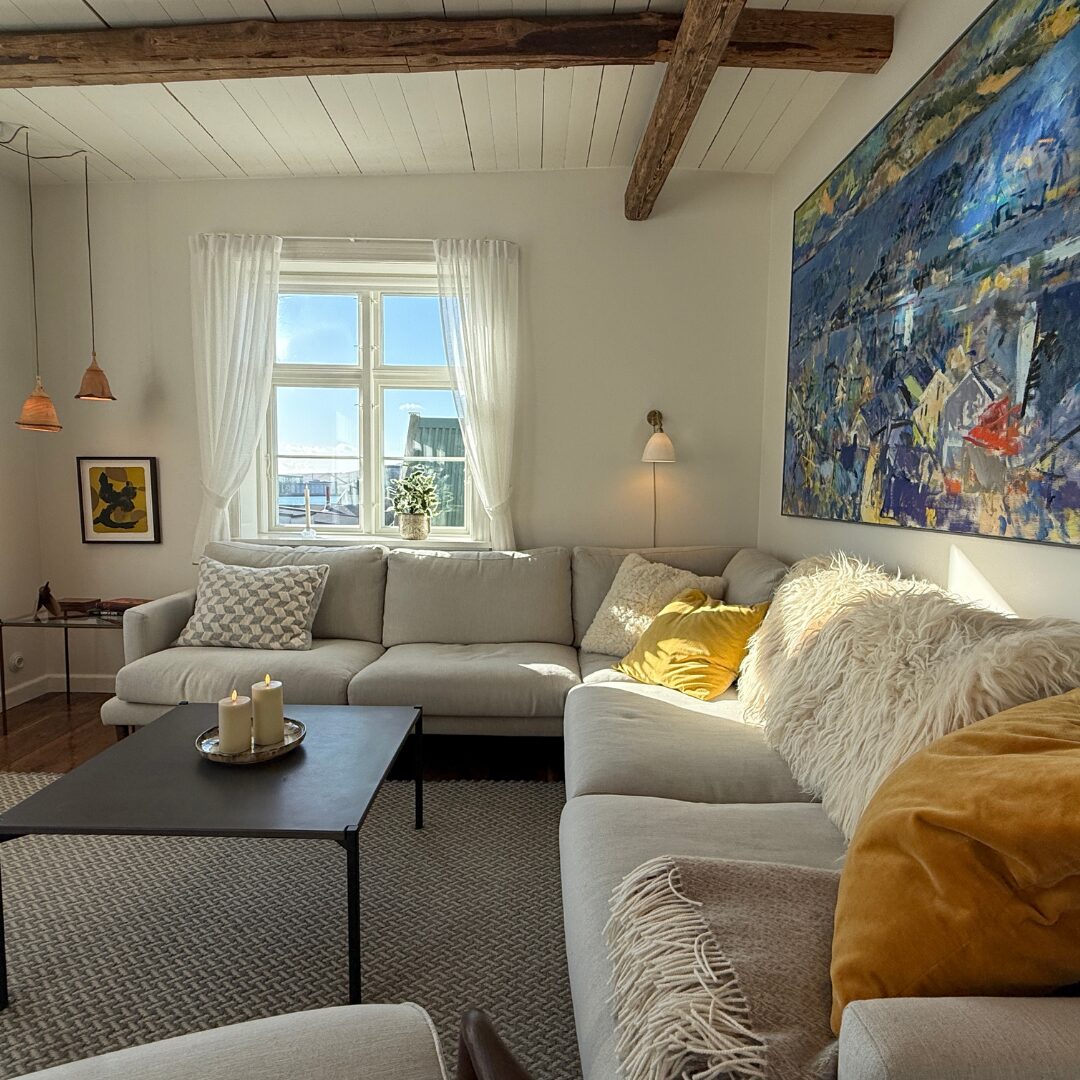
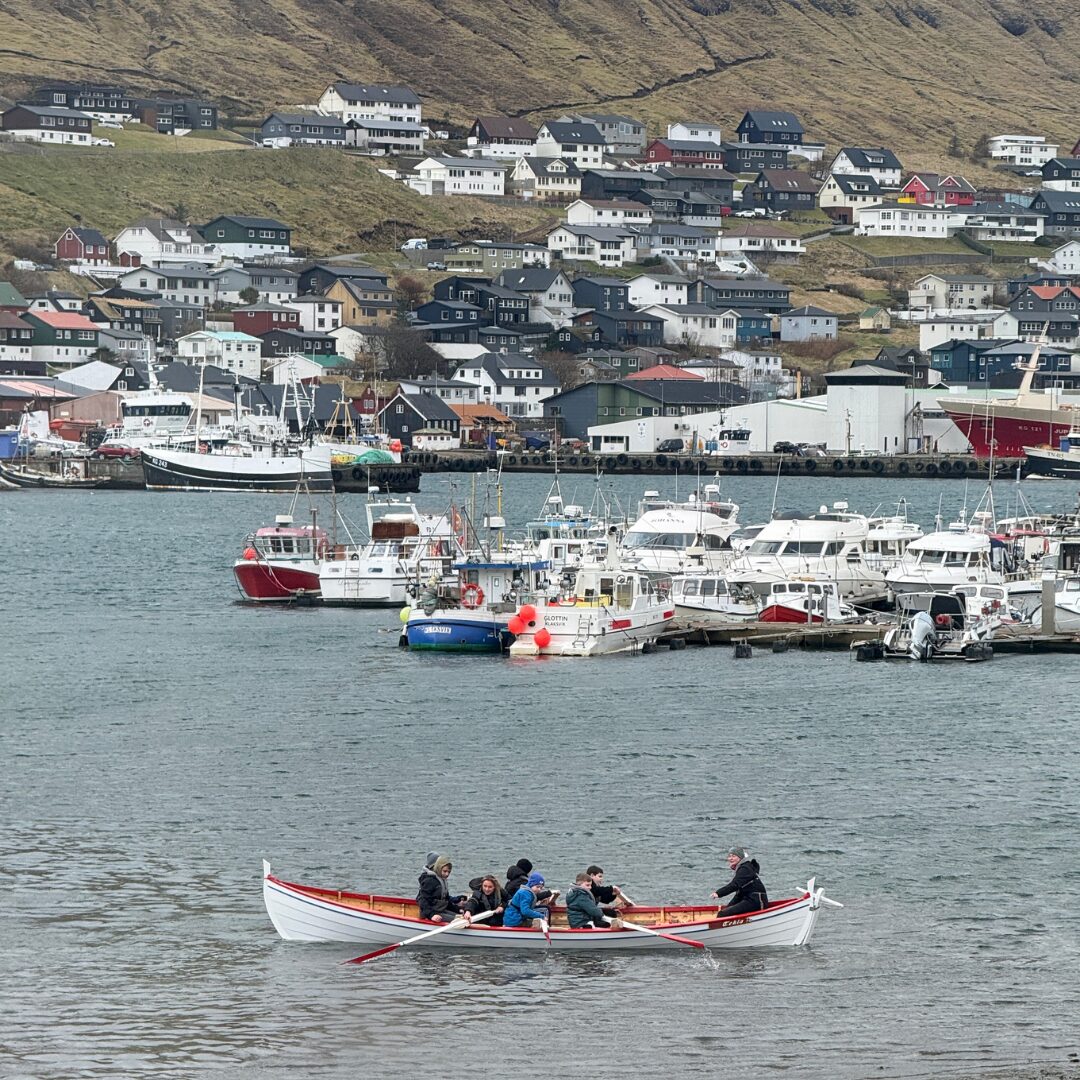
Beautifully situated in the heart of Tórshavn, within easy walking distance of the harbour and the historic old town, Hotel Hafnia offers flexible conference facilities for up to 100 guests, with panoramic city views from the top floor. It’s a practical, characterful base and if you look closely at the collage on the wall, you’ll spot a box of Typhoo Tea among the things the Faroese hold dear. The relationship between the Faroe Islands and the UK runs deeper than many realise, rooted in history, trade and a genuine warmth towards British culture – on my visit, Tórshavn was advertising Cadbury Creme Eggs, reflecting a love of sweet things.
Hotel Djurhuus
A three-star hotel by the harbour in Tórshavn, just a short walk from the city centre, Hotel Djurhuus operates on a simple but powerful belief: that small actions can make a big impact. Here, sustainability isn’t about energy systems or carbon offsetting, it’s about people and how we take care of each other. The hotel is part of the Prentis scheme, offering meaningful work and work experience to people across a remarkable range of ages and circumstances (from 13 to 75) with a particular focus on those who face extra challenges in the workplace. Whether you’re a guest, a team member or a partner, the intent is the same: that you feel at home, respected and included. In a world where ‘people first’ can feel like a marketing line, at Hotel Djurhuus it feels entirely genuine.
How To Get Here
The Faroe Islands are more accessible than many people expect and the journey itself sets the tone for the experience.
By air, Atlantic Airways operates direct flights from London Gatwick, Edinburgh and Copenhagen, with connections available from most major European hubs. Flight time from London is approximately two and a half hours. The national carrier has an excellent reliability record and a strong focus on sustainability.
By sea, Smyril Line operates a weekly ferry service from Hirtshals in Denmark. The crossing takes around 30 hours from Denmark and is an experience in its own right, though for incentive groups, air travel is typically the more practical choice.
Vágar Airport is the islands’ only airport, located on the island of Vágar. From there, the capital Tórshavn is approximately 45 minutes by road, via the world-famous undersea tunnel network that connects the islands. Transfers are straightforward and the drive itself, through tunnels beneath the sea and across dramatic island landscapes, is an arrival experience unlike any other.
Ready to Host Your Next Event in the Faroe Islands?
Whether you’re planning a wellness-led outdoor retreat, an adventurous sports incentive, a large-scale conference or something beautifully in between, the Faroe Islands offer the opportunity to create something truly meaningful.
We’ve experienced first-hand what makes this destination work for events and we’d love to share those insights with you, from venue sourcing and programme design to on-the-ground logistics and cultural experiences. Get in touch to discuss how we can bring your Faroe Islands event to life.